From hurricane season to tropical surf, here’s why one climate pattern can influence so much of life across the Hawaiian Islands.
Every few years, one phrase begins appearing in weather forecasts across Hawaiʻi: El Niño.
For many people, it sounds like just another weather term. But here in Hawaiʻi, it often signals something much bigger.
An El Niño can influence everything from hurricane activity and rainfall to ocean conditions and surf. While it doesn’t guarantee a particular type of weather, it changes the odds enough that meteorologists, emergency managers, homeowners, boaters, fishermen, and surfers all pay close attention when one develops.
The remarkable part is that it all begins thousands of miles away.
What Exactly Is El Niño?
To understand El Niño, it helps to picture the Pacific Ocean as one enormous connected system.
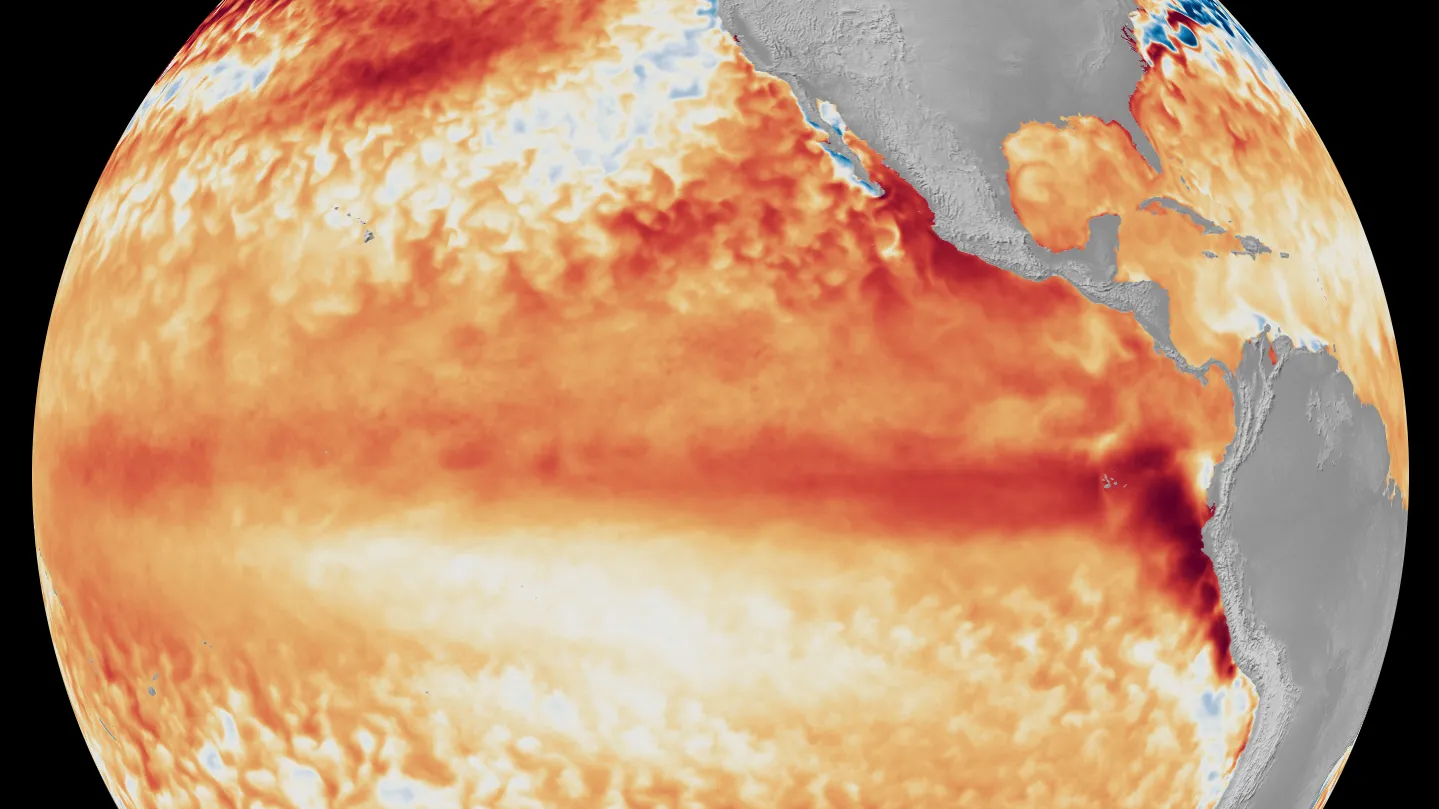
During a typical year, steady trade winds blow from east to west along the equator. Those winds push warm surface water toward Indonesia and Australia while cooler, nutrient-rich water rises off the west coast of South America. This balance helps regulate weather patterns across the Pacific.
During an El Niño, those trade winds weaken. As they do, the warm water that had been piled up in the western Pacific gradually shifts back toward the central and eastern Pacific. That movement changes where heat is released into the atmosphere, which in turn influences wind patterns, storm development, and the jet stream.
Although these changes begin thousands of miles from Hawaiʻi, they eventually ripple across the Pacific Ocean—including the Hawaiian Islands.
Why Does It Matter in Hawaiʻi?
Because Hawaiʻi sits in the middle of the Pacific, even subtle changes in ocean temperatures and atmospheric circulation can influence our weather.
El Niño doesn’t control Hawaiʻi’s climate, but it can shift the likelihood of certain conditions occurring. That’s why meteorologists begin tracking developing El Niño events months before hurricane season.
Depending on the strength of the event and other weather patterns occurring at the same time, Hawaiʻi may experience changes in tropical cyclone activity, rainfall, trade winds, and ocean swell.
Every El Niño is different, which is why seasonal forecasts continue to evolve throughout the year.
Hurricane Season
One of the most closely watched impacts of El Niño in Hawaiʻi is hurricane season.
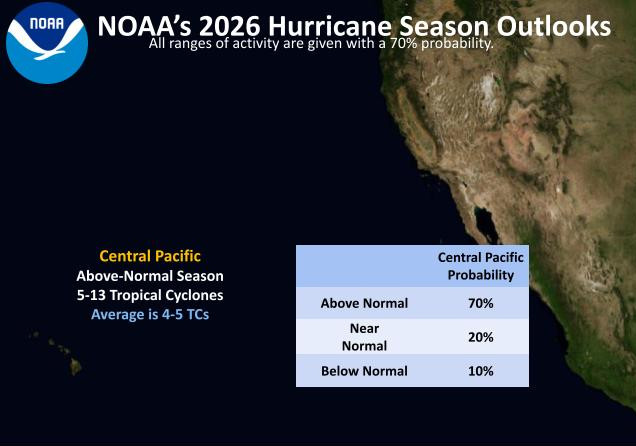
Historically, El Niño has often been associated with increased tropical cyclone activity in the Central Pacific, raising the potential for hurricanes or tropical storms to develop closer to Hawaiʻi or move into the region. That doesn’t mean the islands will experience a direct hit, but it does make hurricane forecasts especially important.
Even storms that remain hundreds of miles offshore can generate heavy surf, strong winds, dangerous currents, flooding, and periods of intense rainfall.
For homeowners, hurricane season is always a good reminder to inspect roofs, clean gutters, trim overhanging trees, secure outdoor furniture, and review emergency supplies before a storm is on the horizon.
Preparation is much easier than scrambling at the last minute.
What It Means for Surfing
For surfers, El Niño often brings another level of anticipation.
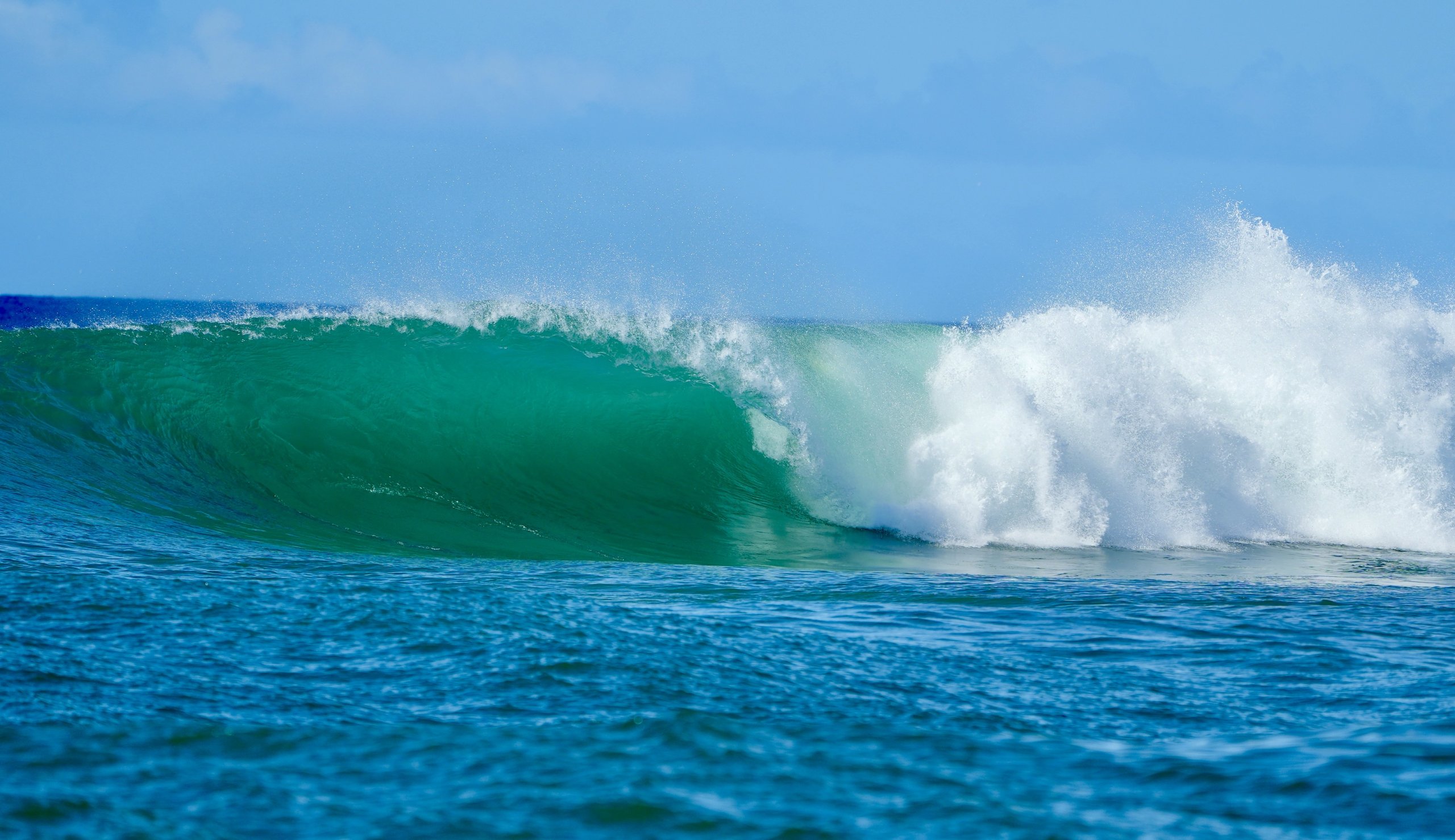
The same tropical systems that can create dangerous weather are also capable of producing quality east swells for Hawaiʻi. While the islands receive their largest summer surf from the south and the biggest winter swells from the north, tropical systems provide an entirely different source of waves.
Every storm follows its own path, so no two seasons are ever alike. Some years produce only a few fun east swell days, while others deliver memorable surf from directions that many breaks rarely see.
Of course, these swells deserve respect. Powerful shorebreak, strong currents, and rapidly changing conditions can accompany even distant tropical systems.
One of the things I’ve always found fascinating is watching a storm form thousands of miles away and then seeing the first lines of swell arrive on Kauaʻi days later. It’s an incredible reminder that the Pacific Ocean is connected in ways we don’t always think about.
What It Means for Homeowners
Living in Hawaiʻi means living in one of the most beautiful environments in the world—but also one of the most dynamic.
Salt air, humidity, heavy rain, strong trade winds, and occasional tropical systems all play a role in how homes are built and maintained.
Climate patterns like El Niño are simply another reminder that routine maintenance matters. Keeping roofs, gutters, drainage systems, and landscaping in good condition helps protect a home no matter what the season brings.
For anyone considering buying a home in Hawaiʻi, understanding the climate isn’t something to be intimidated by—it’s simply part of understanding island living.
Living With the Pacific
One of the things I’ve come to appreciate most after living in Hawai’i for nearly three decades is how naturally you become connected to the ocean.
You begin paying attention to hurricane outlooks, trade winds, ocean temperatures, and swell forecasts because they become part of everyday life. A changing forecast isn’t just something you see on the evening news—it can influence weekend plans, ocean conditions, and how communities prepare for the months ahead.
El Niño is a perfect example of that connection. A subtle warming of the Pacific near the equator can eventually influence weather, surf, and daily life thousands of miles away here in Hawaiʻi.
The more you understand those connections, the more you appreciate just how extraordinary these islands really are.
Mahalo for reading.

Leave your opinion here. Please be nice. Your Email address will be kept private, this form is secure and we never spam you.