Central Maui New Construction: The Value of Independent Buyer Representation
Every week someone tells me they plan to buy Central Maui new construction on their own, walking into the sales center because “the developer’s agent can help me.” It is one of the most expensive misunderstandings in Maui real estate.
The friendly people at the sales center work for the developer. That is their job, and the good ones do it very well.
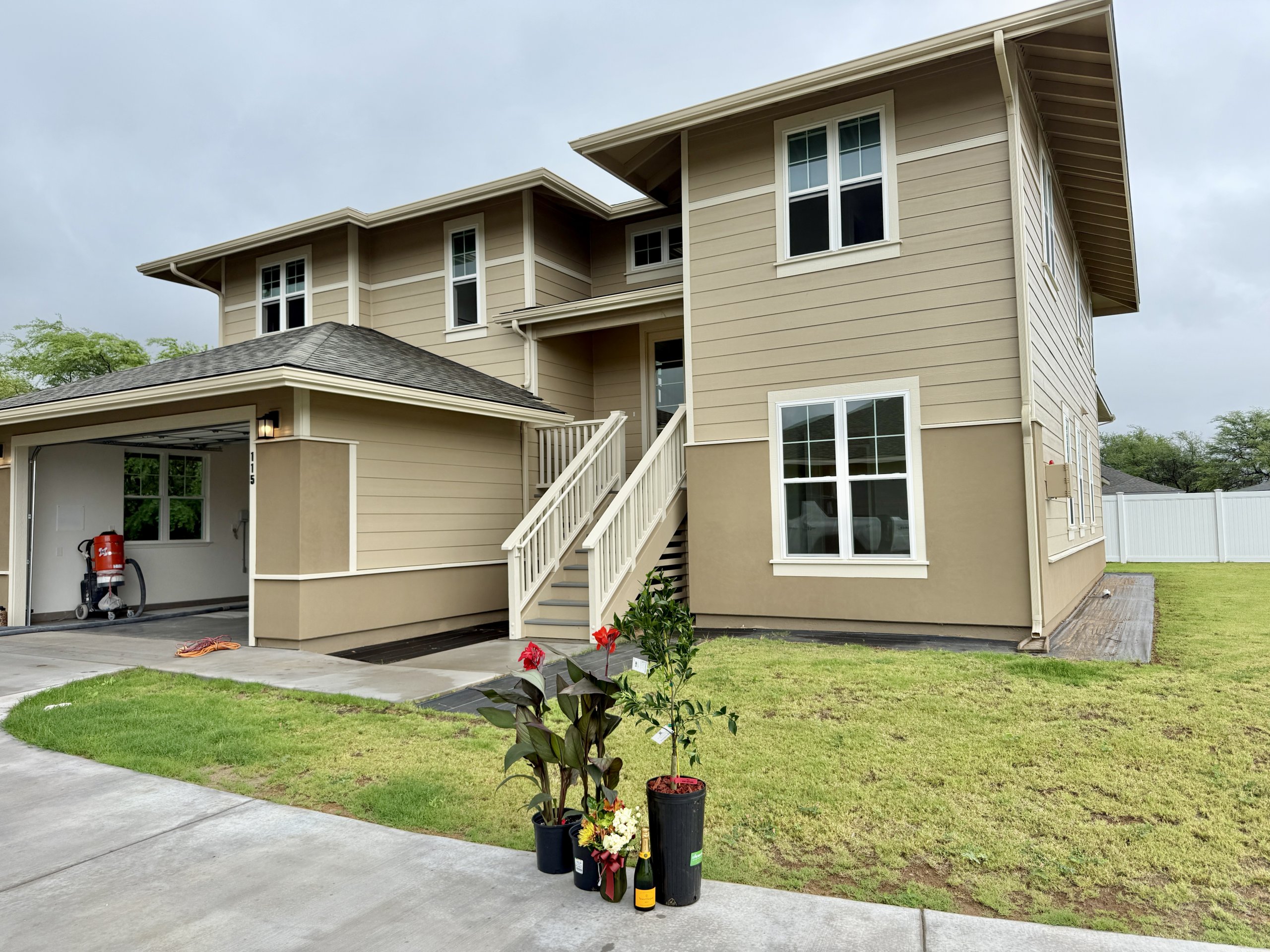
I have represented buyers in dozens of new developer offerings across Maui. Darren and April Buckley’s purchase at The Parkways at Maui Lani, which recorded on October 29, 2026, is the clearest recent example I have of what a buyer’s agent actually does in a developer sale.
This was my fourth transaction with Darren and April, and they have done very well on every one of them. That kind of track record only happens when clients trust you to push back on their behalf, and they let me do exactly that here.
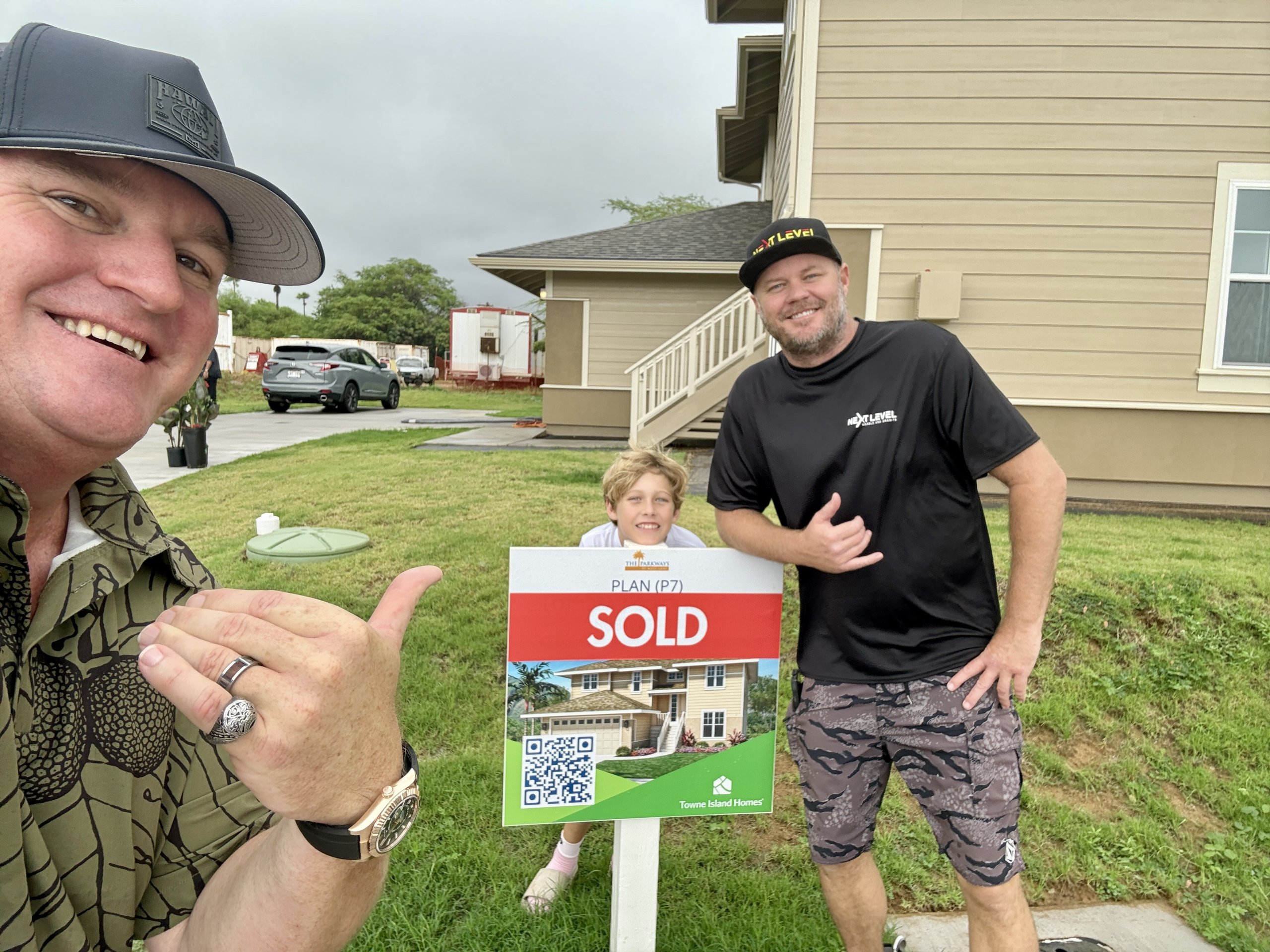
A quick plug, because Darren and April’s team has earned it. Darren and April own Next Level Marble & Granite, a Maui stone shop that supplies, fabricates and installs quartz, quartzite, granite and ultracompact countertops, along with cabinets and kitchen and bath design. They are also a Cambria Premier Partner.
If you are building or remodeling on Maui, call Darren and April’s team at Next Level. The work they do is awesome.
So I am going to walk you through the whole thing, with real numbers.
Plain disclosure up front: I represented Darren and April on this purchase, and I was paid a commission on it. Weigh everything below with that in mind.
What Is in This Article
- Who Works for You When Buying Central Maui New Construction?
- The Opening Offer on 115 Unahe Place
- Negotiating Beyond the Towne Standard Sales Agreement
- The Second Lot Missing From the Parkways Preliminary Title Report
- What the Restricted Use Lot Agreement on Lot 216-A Changed
- Writing Our Own Addendum to the Towne Developer Contract
- Why a Brand New Maui Lani Home Still Needs an Inspection
- The 115 Unahe Scorecard: Price, Terms and Due Diligence
- When You May Not Need a Buyer’s Agent for Central Maui New Construction
- Seven Questions to Ask Before You Walk Into a Maui Sales Center
- Buying a New Towne Home in Central Maui or a New Development Anywhere on Maui
- Frequently Asked Questions About Central Maui New Construction
Who Works for You When Buying Central Maui New Construction?
The Parkways at Maui Lani is a fee simple single family community in Kahului, built by Towne Island Homes and developed by HBT of Maui Lani LLC. The developer’s own brochure names Towne Island Homes as the exclusive broker for the project. The agents in the sales center sign their emails “Exclusive Seller’s Agent.”
That title tells you everything. Their duty runs to the developer, and the developer’s standard paperwork is written around the developer’s process.
This is true at every new project on the island, from Kehalani in Wailuku to the Wailea and Kaanapali condo launches. The sales team is there to sell inventory at the best price and on the developer’s standard contract.
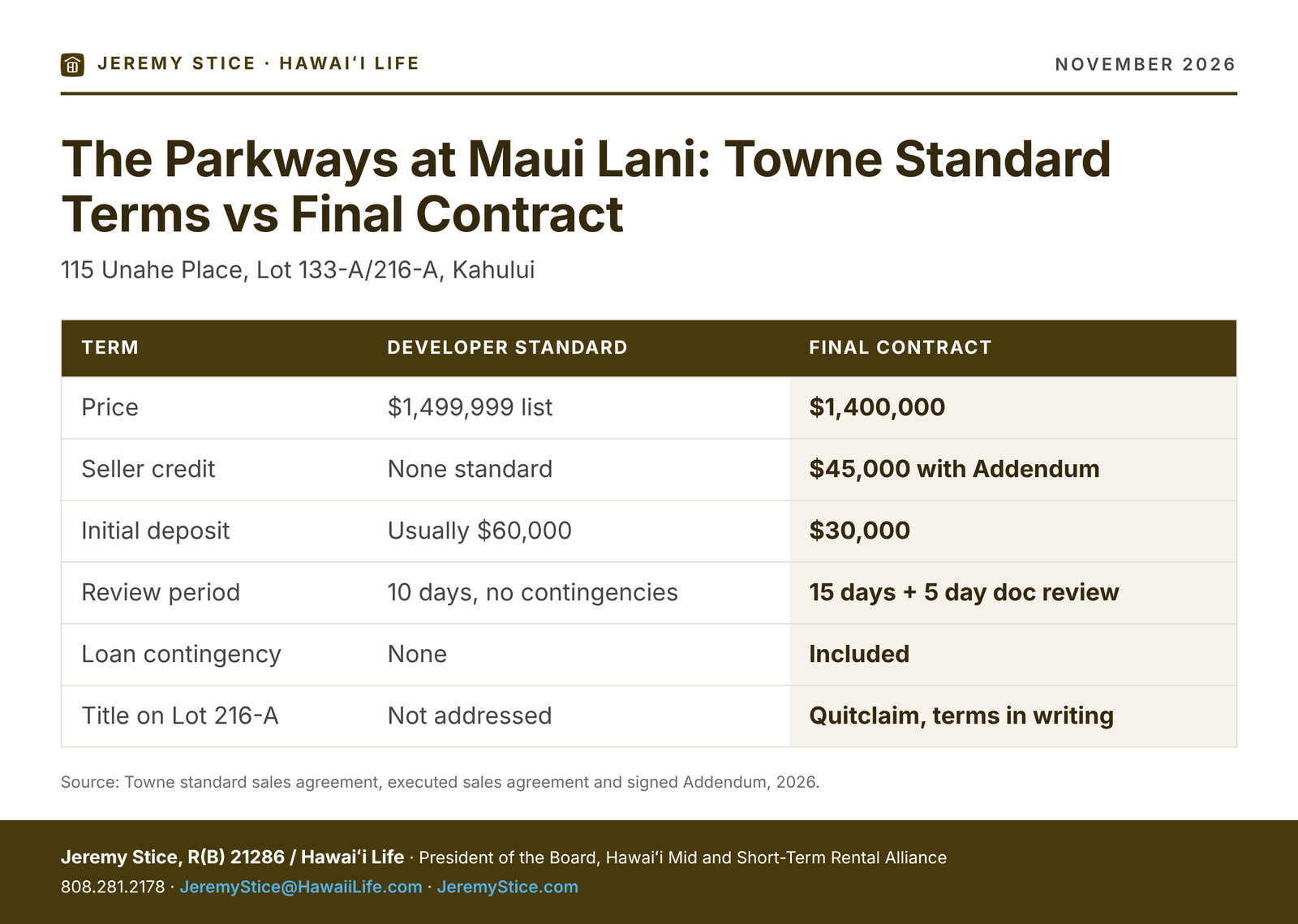
The standard contract is the part buyers underestimate. At The Parkways, the developer’s form came with a 10 day review and cancellation period and no contingencies, and the standard deposit is usually $60,000.
One more thing most buyers do not know. For new condos sold by a developer, Hawaii’s condominium law, HRS 514B-86, generally gives buyers 30 days to cancel after they sign the contract and receive the developer’s public report, unless they waive it. Lot 133-A at The Parkways is a subdivided fee simple lot, so that condo cancellation right did not apply here. For Darren and April, the most important protections were the ones we negotiated into the contract.
The Opening Offer on 115 Unahe Place
Darren and April were buying a primary residence. The home was a brand new 4 bedroom, 3 bath, roughly 2,230 square foot plan on Lot 133-A, listed at $1,499,999.
For Darren and April, this move was personal. Their kids are getting older, and they wanted a newer, larger home with room to grow. The Parkways gave them that in an up-and-coming Central Maui neighborhood, with friends nearby and a more central location for their family’s everyday life.
Before choosing The Parkways, we looked at and seriously considered other homes on the market in other parts of Maui. In the end, Darren and April decided this was the right fit, because it is really hard to beat brand new.
On Friday, September 25, 2026, I submitted an offer that asked for terms outside the developer’s standard package on purpose: a lower price, a closing credit, a smaller deposit, a longer review period and a loan contingency.
Negotiating Beyond the Towne Standard Sales Agreement
The final agreement reflected terms both sides were comfortable with: a $1,400,000 price, a $40,000 credit toward closing costs, a $30,000 deposit, a 45 day close, and a 15 day review period with a loan contingency running alongside it.
Once the price is well under list, it is tempting to stop asking. The sales team is warm and encouraging, and the savings feel like the win. A buyer’s agent’s job is to know which terms are still worth asking for, and how to ask in a way that makes it an easy yes for the developer.
The contract was fully executed on Sunday, September 27, and the deposit was receipted at Title Guaranty on Monday.
The Second Lot Missing From the Parkways Preliminary Title Report
Here is where the deal got interesting.
The sales agreement described the property as Lot 133-A/216-A, at 8,513 and 879 square feet. Lot 216-A is a small strip beside the home lot that the developer had decided to include in the sale.
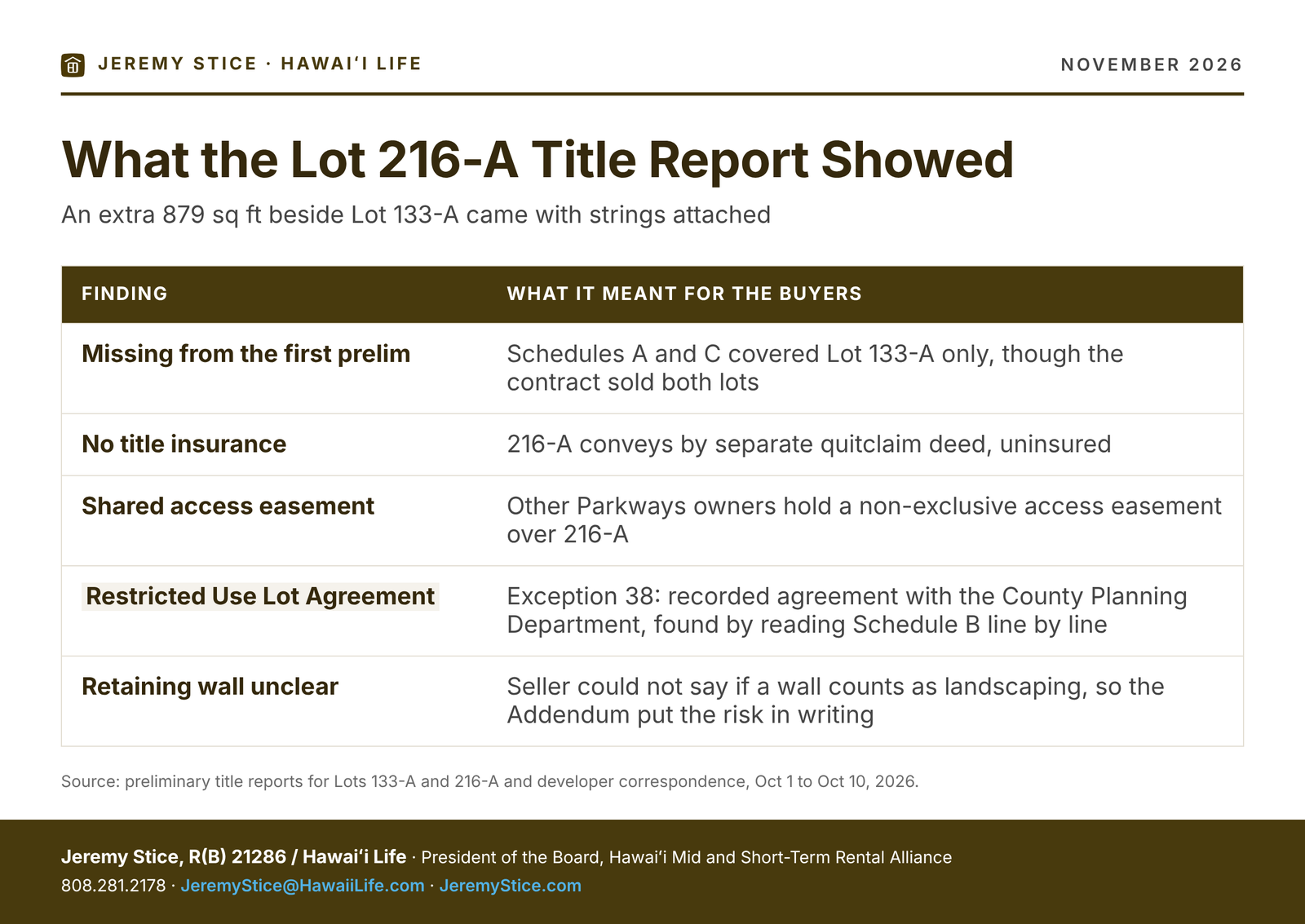
When the preliminary title report came in, Schedules A and C covered Lot 133-A only. The second lot Darren and April were paying for was not on the title report at all.
The contract also required an owner’s title policy insuring the buyers’ title. And the County approved subdivision plat carried a note describing 216-A as a landscaped open space lot to be owned by the homeowners’ association.
On October 1 I asked escrow and the developer for three things, in writing:
- An updated prelim adding Lot 216-A, with its exceptions
- Confirmation the developer actually held title to 216-A and could convey it
- Copies of any recorded restriction on the use of 216-A
The developer answered quickly and candidly. The Maui Lani Community Association no longer wanted the parcel, so the developer chose to fold it into Darren and April’s lot. It would convey by a separate quitclaim deed, title insurance would not cover it, and other Parkways owners hold a non-exclusive access easement over it.
What the Restricted Use Lot Agreement on Lot 216-A Changed
The prelim for Lot 216-A arrived on October 6. I read every exception.
Exception 38 was a Restricted Use Lot Agreement between the developer and the County Planning Department, recorded in 2024. Exception 40 still described 216-A as a restricted use lot to be owned by the homeowners’ association.
That is a recorded use restriction. When I asked for the underlying document, the Towne team sent it right away so we could work through what it meant.
Because Lot 216-A came with no title insurance, a careful read of every recorded restriction and easement mattered even more, so Darren and April knew what they were getting, limits included, before they closed.
This mattered for a practical reason. Darren planned to build a retaining wall along the rear of the lot and along the 216-A side after closing, and both runs crossed County waterline easements. When we asked whether the access easement or the Restricted Use Lot Agreement would prevent a wall on 216-A, the developer said honestly that they could not determine whether a wall counts as landscaping.
So we got everything in writing before the review period ran out.
Writing Our Own Addendum to the Towne Developer Contract
Developers prefer to keep every buyer on their standard form. That keeps their legal costs predictable, and it is completely reasonable from their side of the table.
A buyer’s job is to make sure the paper matches the deal. On October 7 I drafted an Addendum and sent it to the developer with a marked up plot plan. After the developer’s edits, the final version did the following:
- Confirmed the 216-A structure in writing. Lot 133-A conveys by deed with an owner’s title policy. Lot 216-A conveys by a separate quitclaim deed recorded at the same time, without title insurance, notwithstanding the contract’s title insurance section.
- Bought review time. Darren and April got five days to review the recorded restriction and the easement language after receiving them, on top of the 15 day period.
- Required the association to confirm. Before closing, the seller had to deliver written confirmation from the Maui Lani Community Association that it does not claim ownership of 216-A.
- Prorated taxes on both TMKs. Real property taxes prorated on (2) 3-8-099:133 and 216.
- Put the retaining wall in writing. The seller stated no objection to the wall, and Darren acknowledged the County waterline easements and that he might have to move the wall later if the County or the association requires it. County and association approvals are still separate steps.
- Cleaned up the paperwork. A few lot number references in the contract package did not match Lot 133-A, and the Addendum corrected them.
- Added $5,000 for the title gap. As we worked through the title insurance limits on Lot 216-A, the developer also agreed to an additional $5,000 seller credit at closing, bringing the total to $45,000.
On a $1.4 million purchase, every page of the contract package deserves a careful read before signing, by someone reading for you.
The developer turned the Addendum around in about two days, including a meeting in person. Darren and April signed with their review deadline still intact.
The best review of this work came from the other side of the table. In person, the developer’s own sales team told me what a great job we did representing Darren and April, and that they don’t see that level of document review from most buyer’s agents.
Why a Brand New Maui Lani Home Still Needs an Inspection
Buyers skip inspections on new construction all the time. The house is new, there is a builder warranty, and the sales team has a punch list process.
Darren and April hired an inspector anyway. The home inspected well, with no structural or safety concerns noted, and it still produced a 13 item punch list.
The most important item was water pressure testing above 80 psi. The normal range is 50 to 80, and pressure that high wears on faucets, fixtures and the water heater over time. The builder had to adjust it or install a regulator.
The rest was what I see on nearly every new Maui build:
- Water and mechanical: a constant drip at the irrigation backflow valve, a refrigerator dispenser that did not dispense, and a water heater whose electric backup had not been verified because the timer was off
- Windows and doors: missing screens, sticky windows and sliders, locks rubbing their tracks, a loose window lock, and a noisy pocket door
- Roof and exterior: unsealed flashing seams and gutters full of debris and wasp nests
- Finish: paint touch ups, construction clean up, and unsealed shower grout
Anything noted before closing can go on the builder’s punch list, and you can confirm the fixes before you move in. Anything found after closing usually goes through the builder’s warranty process, which takes longer. I sent the full list to the developer and we confirmed the work at the final walk through.
Thirty three days from accepted offer to recording. The negotiated review period, the extra document review time and the written Addendum gave us room to handle the title questions, the inspection and the closing terms, because each piece was asked for in writing, with a deadline.
The 115 Unahe Scorecard: Price, Terms and Due Diligence
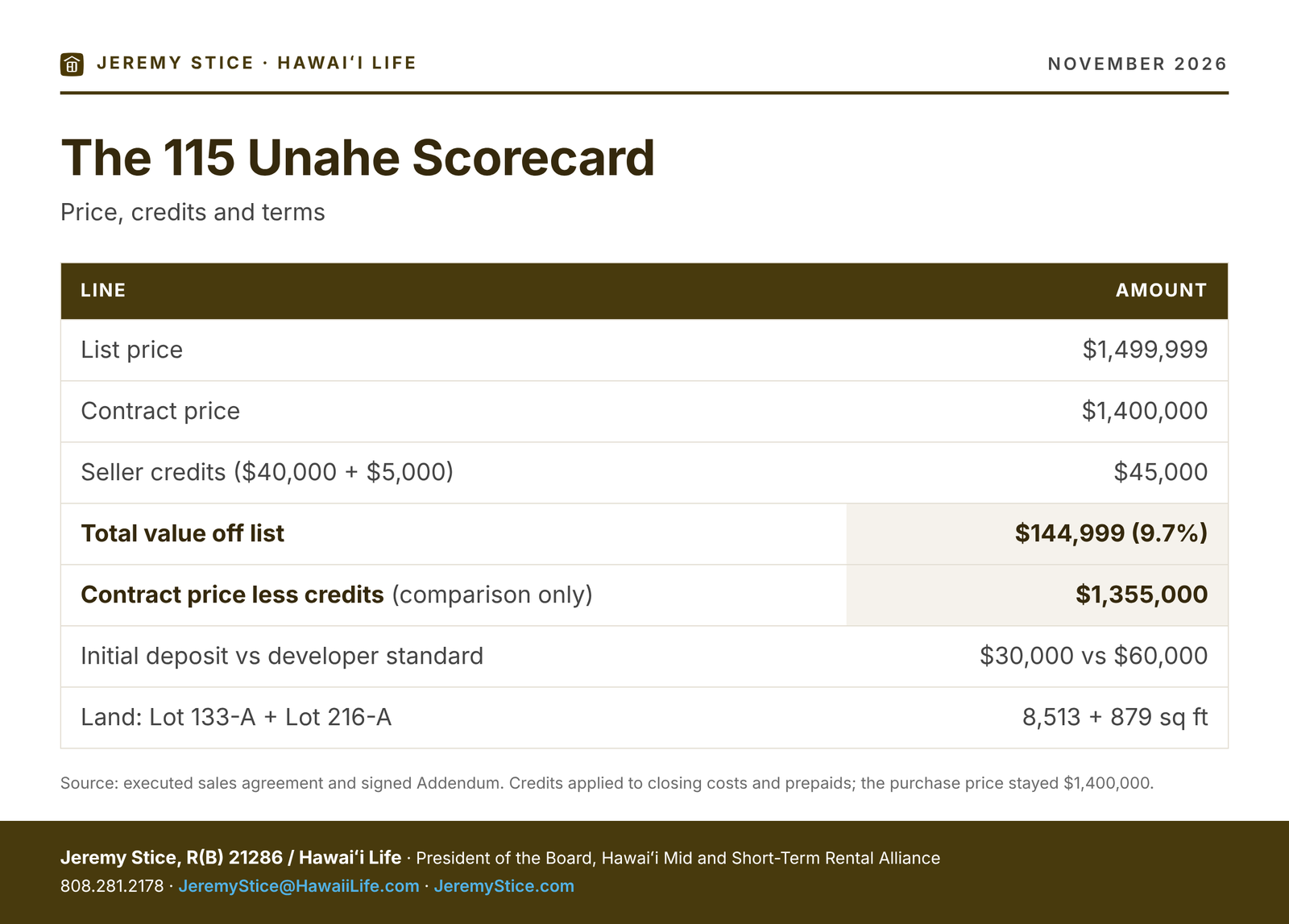
Here is the math, straight from the contract and the signed Addendum:
- List price: $1,499,999
- Contract price: $1,400,000, which is $99,999 below list
- Seller credits: $45,000 at closing ($40,000 in the contract plus $5,000 in the Addendum)
- Total value off list: $144,999, or about 9.7 percent
- Contract price less credits: $1,355,000, for comparison only. The purchase price stayed $1,400,000, and the credits went to closing costs and prepaids
- Initial deposit: $30,000 instead of the developer’s usual $60,000, less cash up front
- Land: 8,513 square feet on Lot 133-A plus a restricted use 879 square foot parcel on Lot 216-A
Their loan was clear to close on October 19. They closed and recorded on the morning of October 29 and walked the finished punch list with the builder at 10 am that same day.
Not one line on that list came from the developer’s standard package. Every one of them was asked for.
When You May Not Need a Buyer’s Agent for Central Maui New Construction
I would be a poor advisor if I told you buyer representation is always worth it. There are cases where it adds less.
- Pricing is fixed and the inventory is moving. In a hot launch with a waitlist, developers often will not negotiate price or credits at all. Your agent’s value then shifts almost entirely to contract review and documents.
- You are an experienced developer buyer yourself. If you have closed several new builds, read prelims for a living, and have a real estate attorney on call, you may be able to do much of this on your own.
- The fee comes out of your pocket. Since the 2024 changes to how buyer agent compensation works, who pays your agent is a term you negotiate. Some developers pay a cooperating broker and some do not. If the developer will not pay and the deal has no room to negotiate, you should weigh the fee against what you expect to gain.
The opposite cases are where representation pays for itself many times over:
- Inventory is sitting. Days on market climbing, multiple finished homes in the same phase, end of phase sell outs. That is when credits, rate buydowns and price reductions are on the table.
- Anything unusual is in the title. Extra parcels, easements, restricted use lots, quitclaim deeds, CPR structures.
- You plan to improve the property. Walls, pools, ADUs and landscaping all run into design review committees and recorded easements.
In this slower Maui market, most finished new construction I am seeing falls in the second group.
Seven Questions to Ask Before You Walk Into a Maui Sales Center
If you take nothing else from Darren and April’s story, take these with you:
- Who does each person in this sales office represent, in writing?
- What does the developer’s standard contract allow me to cancel for, and for how long?
- Will the developer accept a loan contingency and a due diligence period that run longer than the form?
- What deposit is standard, and when does it become non-refundable?
- Does the preliminary title report cover every parcel in the sale, and what is in Schedule B?
- What credits, rate buydowns or upgrades have recent buyers in this phase received?
- Does the developer pay a cooperating broker on this project, and how much?
If the answer to number one is “we can help you with everything,” you have your answer.
Buying a New Towne Home in Central Maui or a New Development Anywhere on Maui
Towne Development is still building in Central Maui. During this purchase, its sales team was also representing Anuhea at Kehalani and the Residences at Kehalani in Wailuku, and I expect more new Towne homes and phases ahead. Other developers are bringing new projects to market across the island too.
If you are considering one of those homes, have your own independent representation from your very first visit.
I want to give a big mahalo to the team at Towne Island Homes. They were a pleasure to work with from start to finish: responsive, professional, quick to answer hard questions, and fair at the negotiating table. From a customer service standpoint, the developers’ agents do a great job.
But their job is to sell the developer’s homes on the developer’s contract. My job is to help you secure the very best deal, make sure you truly understand everything you are signing, and protect your best interests above all else.
Here is what independent representation was worth to Darren and April:
- $144,999 in value off list between price and credits
- A stronger contract with a 15 day review period, a loan contingency, a smaller deposit and extra time to review recorded documents
- Title issues found, investigated and documented in writing before closing
- A 13 item builder punch list finished before the final walk through
If you are thinking about Central Maui new construction in Kahului or Wailuku, or new construction anywhere on Maui, call or text me at 808.281.2178 or email JeremyStice@HawaiiLife.com before your first visit to the sales center please. Some projects have their own rules for registering a buyer’s agent, so check them before your first visit.
I will walk the project with you, read the developer’s contract and documents line by line, and negotiate your purchase as if it were my own.
Frequently Asked Questions About Central Maui New Construction
Does the agent at a Maui developer sales center represent the buyer?
No. At most Maui new construction projects, the on site sales team represents the developer. At The Parkways at Maui Lani, the developer’s brochure names Towne Island Homes as the exclusive broker for the project, and the sales agents identify themselves as exclusive seller’s agents.
Can you negotiate price with a new construction developer on Maui?
Yes, depending on the market and the inventory. At 115 Unahe Place in The Parkways at Maui Lani, the buyers paid $1,400,000 against a $1,499,999 list price and received $45,000 in seller credits, for about $145,000 in total value off list.
Do new single family homes in Hawaii come with a 30 day right to cancel?
Not automatically. For new condos sold by a developer, HRS 514B-86 generally gives buyers 30 days to cancel after signing the contract and receiving the developer’s public report, unless they waive it. A subdivided fee simple lot is not a condo unit, so that right does not apply, which is why the review period and contingencies need to be negotiated into the purchase contract.
Should I get a home inspection on a brand new Maui home?
Yes. A new home can still have issues the builder has not caught. The new home at 115 Unahe Place inspected well and still produced a 13 item punch list, including water pressure above 80 psi, which the builder corrected before the final walk through.
What should a buyer look for in a preliminary title report on new construction?
Confirm that every parcel in the sale appears in Schedules A and C, then read every exception in Schedule B. At 115 Unahe Place, the first prelim left out a second lot in the sale, and the second lot’s prelim showed a recorded Restricted Use Lot Agreement with the County.
Who pays the buyer’s agent on a Maui new construction purchase?
It depends on the project and the agreement. Some Maui developers pay a cooperating broker and some do not. Since the 2024 changes, most agents working with buyers through the MLS need a written agreement before touring homes, and that agreement sets the fee, which is negotiable. Ask the developer early whether it pays cooperating brokers.
Mahalo,
Jeremy

Leave your opinion here. Please be nice. Your Email address will be kept private, this form is secure and we never spam you.