Buying a Hotel-Zoned Condo in Maui: What Buyers Should Know
If you’ve been researching real estate in Maui, you may have come across the term hotel-zoned condo. It’s a distinction that has become increasingly important for buyers, particularly those interested in owning a property they can enjoy personally while also having the option to offer it as a short-term vacation rental.
With recent changes to Maui County’s vacation rental regulations, understanding the difference between hotel-zoned and apartment-zoned properties is more important than ever. Before purchasing a condo in Maui, it’s worth understanding what hotel zoning means, why it matters, and what to look for when evaluating a property.
What Does Hotel-Zoned Mean in Maui?
In Maui County, properties are assigned zoning designations that determine how the property can legally be used. Hotel zoning allows for hotel and transient vacation rental uses under the County’s zoning regulations.
For buyers, this can offer an appealing level of flexibility. A hotel-zoned condominium may be used as a personal vacation home, a second home, or operated as a short-term vacation rental, provided the condominium’s governing documents also allow that use.
Unlike certain residential or apartment-zoned properties that require additional permits or approvals to operate as vacation rentals, qualifying hotel-zoned properties can operate short-term rentals as a permitted use under the zoning regulations without obtaining a separate short-term rental or conditional use permit from the County.
It’s important to remember that hotel zoning does not eliminate other responsibilities. Owners must still comply with applicable state and county tax requirements, condominium association rules, and other regulations.

Why Hotel Zoning Matters More Than Ever
Maui’s vacation rental landscape has been evolving, and one of the biggest changes is Bill 9, which became Ordinance 5909 in December 2025.
The legislation phases out transient vacation rental use in certain apartment-zoned properties (A-1 and A-2 districts), with deadlines of January 1, 2029, in West Maui and January 1, 2031, in the rest of Maui County.
This legislation does not apply to properties located in designated hotel zoning districts. As a result, hotel-zoned condominiums offer an important distinction for buyers who want to retain the option of short-term vacation rental use.
This is one reason I encourage buyers to look beyond the individual condo and understand the zoning designation of the property before making a purchase decision.
What Should You Consider Before Purchasing a Hotel-Zoned Condo?
While hotel zoning is an important consideration, it is only one piece of the puzzle. Every property and condominium community is different. Here are a few things I recommend buyers investigate:
1. Verify the zoning.
Don’t assume that a property is hotel-zoned simply because it has historically operated as a vacation rental. Confirm the actual zoning designation for the specific property with the County of Maui.
2. Review the condominium documents.
Hotel zoning alone isn’t the entire picture. Maui County Code requires transient vacation rental use to be explicitly authorized in the condominium’s governing documents. Review the declaration, bylaws, and house rules to understand any restrictions on rental use.
3. Understand the monthly maintenance fees.
Condominium maintenance fees can vary considerably throughout Maui. Look at what is included, the financial health of the association, reserve funding, insurance costs, and whether any special assessments are anticipated.
4. Evaluate the property beyond its rental potential.
The vacation rental market can fluctuate with tourism demand, seasonality, competition, and operating expenses. I always encourage buyers to consider whether they would enjoy owning the property even if rental activity were slower than anticipated. Location, beach access, views, amenities, condition, and overall ownership costs should all factor into the decision.
5. Understand the tax and operating requirements.
Short-term rental operators in Hawaii are subject to applicable General Excise Tax (GET) and Transient Accommodations Tax (TAT) requirements, along with other applicable state and county obligations. Buyers should understand these responsibilities before beginning rental operations.
An Example: Kihei Akahi in South Maui
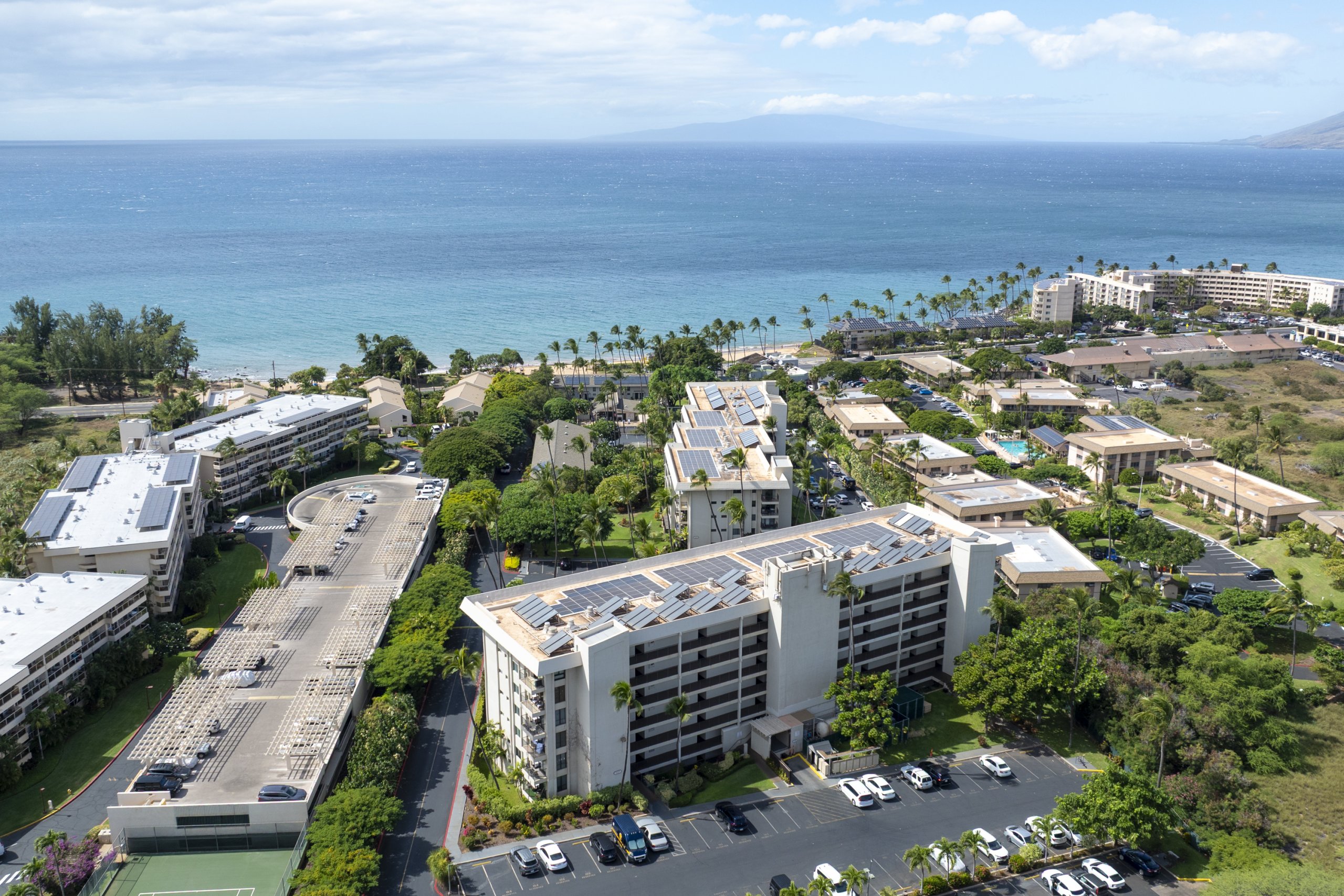
One community that offers the benefits of hotel zoning in a wonderful South Maui location is Kihei Akahi.
Located directly across from the beautiful Kamaole Beach II, Kihei Akahi is a popular condominium community with two swimming pools, barbecue areas, tennis and pickleball courts, and convenient access to some of South Maui’s favorite beaches, restaurants, and shops.
Its location is especially appealing for anyone who wants to experience the Maui lifestyle without being far from everyday conveniences. Wailea’s shopping, dining, golf courses, and resorts are also just a short drive away.
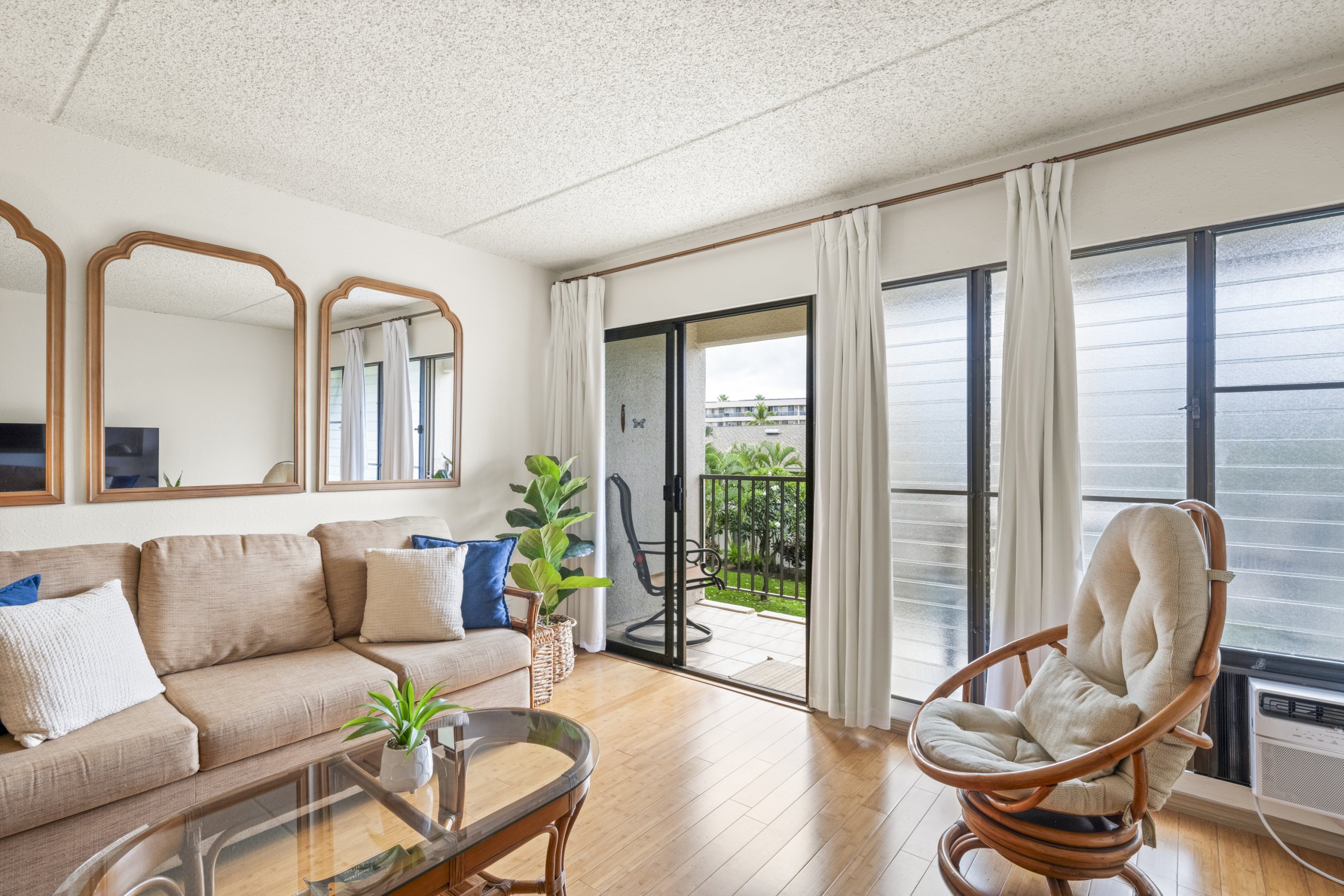
Currently available is Unit C-303, a fully furnished one-bedroom, one-bath condo offering 655 square feet of living space and ocean views. Located in a quiet concrete building, the unit features custom Corian countertops, newer appliances, and an in-unit washer and dryer.
The property is currently operating as an active vacation rental, giving its next owner the opportunity to continue that use or enjoy it as a personal island retreat.
Kihei Akahi C-303
- Offered at $680,000 Fee Simple
- 1 Bedroom | 1 Bathroom
- 655 Square Feet
- Ocean Views
- Hotel-Zoned Community
- Steps from Kamaole Beach II
- Offered Fully Furnished
[Contact me for additional information or to schedule a private showing.]
Is a Hotel-Zoned Condo Right for You?
There is no one-size-fits-all answer when it comes to purchasing real estate in Maui. Some buyers are looking for a place to call their own during visits to the island. Others want a second home that offers the flexibility of vacation rental use when they aren’t here.
A hotel-zoned condominium can offer both possibilities, but it’s important to understand the zoning, association rules, operating expenses, and current market conditions before making a decision.
As someone who has worked in Maui real estate since 2013, I always encourage buyers to look at the bigger picture. The right property isn’t necessarily the one with the highest projected rental income. It’s the one that makes sense for your lifestyle, your ownership goals, and your long-term plans.
If you’re considering purchasing a hotel-zoned condo in Maui, I’d be happy to help you navigate the options and understand what to look for.
Interested in learning more about Kihei Akahi C-303? I’d love to show you this South Maui opportunity!
Real estate zoning and vacation rental regulations can change. Buyers should independently verify the zoning, condominium documents, and applicable operating requirements for any property before purchasing. This article is for informational purposes and is not legal or tax advice.

Leave your opinion here. Please be nice. Your Email address will be kept private, this form is secure and we never spam you.