State of Hawaii Real Estate 2026: Home Prices, Inventory and Market Trends Across the Islands
Hawaiʻi’s housing market in 2026 is moving in different directions depending on the island, property type, and price range. Statewide figures offer a useful overview, but they can hide major differences between Oʻahu, Maui County, Kauaʻi, and Hawaiʻi Island.
The latest complete statewide and county resale figures available as of November 4 cover September 2026. They show a market with slightly higher statewide median prices than a year earlier, fewer closed sales overall, and more properties listed for sale. Yet local results differ: Oʻahu single-family home sales rose year over year, while sales in several neighbor-island markets declined.
Summary
- In September 2026, the statewide median resale price was $1,027,000 for single-family homes and $540,000 for condos. Both were slightly higher year over year, while sales fell.
- Active listings statewide were up year over year, but inventory varied by county and property type.
- Oʻahu’s single-family market showed more activity than its condo market.
- September medians in Hawaiʻi County, Maui County, and Kauaʻi County moved in different directions. Kauaʻi’s small monthly sales totals make its median especially sensitive to which properties are sold.
- Buyers and sellers should use neighborhood and property-specific data alongside statewide market reports.
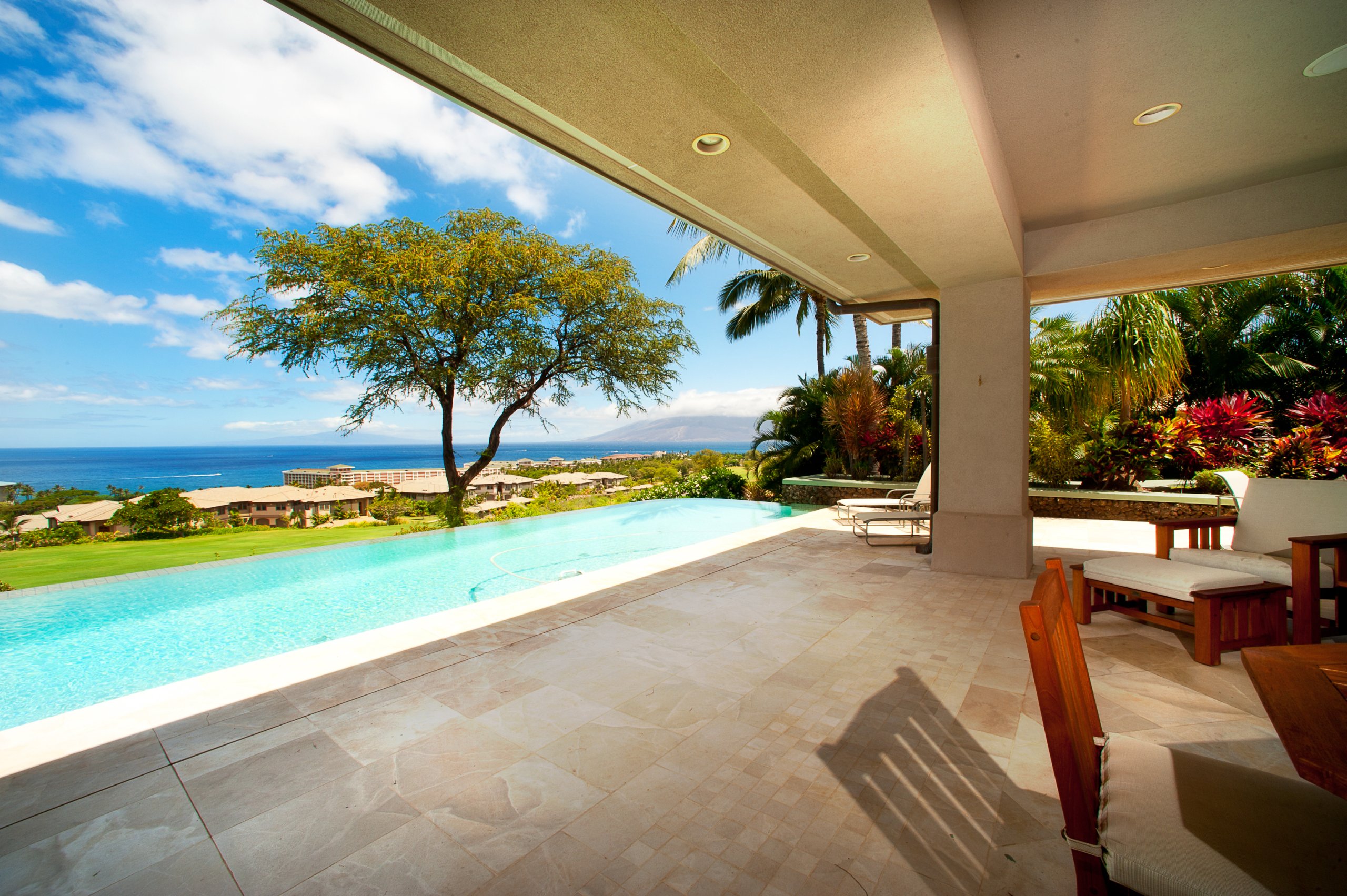
Hawaiʻi’s 2026 market at a glance
Hawaiʻi REALTORS® reported September statewide median resale prices of $1,027,000 for single-family homes and $540,000 for condominiums. Compared with September 2025, those figures were up 0.2% and 1.9%, respectively. At the same time, single-family home sales fell 7.9% to 499, and condo sales fell 6.7% to 485.
That combination matters. A slightly higher median alongside fewer sales does not mean every home gained value or that demand is strong across the state. The median reflects the middle sale in that month’s mix of properties. The number can shift when the type, location, or price range of homes sold changes.
Hawaiʻi REALTORS® also notes that, beginning in January 2026, its statewide “Total” price is calculated from sales prices across all counties. When comparing recent figures with older reports, readers should check how the statewide number was calculated.
Inventory is growing, but not evenly
Realtor.com counted about 10,377 active Hawaiʻi listings in September 2026, 7.6% more than a year earlier. Its county figures showed about 4,975 listings in Honolulu County, 3,019 in Hawaiʻi County, 1,796 in Maui County, and 584 in Kauaʻi County. These are listing-market figures, so they may not match the active resale inventory reported by a local REALTOR® board. They are best used as a snapshot of the available choices within that source’s data.
On Oʻahu, the Honolulu Board of REALTORS® reported 798 active single-family listings in September, unchanged from a year earlier. Active condo listings rose 7.8% to 2,509. New listings dipped year over year for both property types, but inventory remained much larger in the condo market.
More inventory can give buyers additional options. It can also mean sellers need to pay closer attention to comparable listings, pricing, and presentation. The effect depends on the buyer’s search: a single-family home in one neighborhood may face very different competition from a condo in another.
How the islands compare
September’s county results show why Hawaiʻi’s market cannot be summed up with one statewide trend. The following medians and sales counts are for that month, compared with September 2025. Monthly sales are a snapshot, not a forecast.
Oʻahu
Oʻahu’s single-family median was $1,110,000, down 3.9% year over year. Sales rose 6.2% to 293. The condo median was $523,000, up 2.8%, while condo sales declined 8.1% to 375. Houses also moved more quickly: the median time on market was 16 days for single-family homes, compared with 41 days for condos.
The figures point to different conditions for Oʻahu houses and condos. They also show why buyers and sellers should compare like with like. A condo owner’s relevant competition is usually other units in the same area and building type, while a single-family seller may need to assess neighborhood, lot, condition, and price range.
Hawaiʻi Island
In Hawaiʻi County, the September single-family median was $499,000, down 14.6% year over year, with 136 sales. The condo median was $604,500, down 5.6%, with 32 sales. Those countywide figures include a range of communities and property types; they do not describe the market value of a particular home in Kona, Hilo, Waimea, Puna, or another area.
Maui County
Maui County’s single-family median was $1,150,000, down 11.0% year over year, with 52 sales according Hawaii Intelligence. The condo median was $660,000, up 1.2%, with 72 sales. Single-family sales were down 7.1%, while condo sales rose 56.5%. A sharp percentage change in monthly sales can happen when the prior-year count is relatively small, so it should be read alongside longer-term and local data.
Kauaʻi
Kauaʻi County recorded 18 single-family sales in September, with a median of $1,490,000. Its condo median was $726,500, based on six sales. With so few transactions in a month, a handful of higher- or lower-priced closings can move the median substantially. These figures give a snapshot of September’s transactions, but they are too limited to treat as a dependable measure of broad price direction.
What the 2026 trends mean for buyers
More listings can make it easier to compare options, but greater choice does not automatically mean lower prices or room to negotiate on every property. On Oʻahu, for instance, single-family homes and condos had different inventory and sales patterns in September.
Buyers should compare recent sales with homes currently listed in the same area and price range. They should also budget for the full cost of ownership, including insurance, maintenance, property taxes, and any condominium or homeowners association costs. For condos, review the association’s financial and maintenance documents before committing. This related guide explains what to review before buying a Hawaiʻi condo.
What sellers should consider
A statewide median is not a pricing recommendation for an individual property. Sellers should look at recent comparable sales, current competing listings, days on market, and the condition of their home. For condos, the building’s financial condition, maintenance needs, and monthly fees can influence buyer decisions alongside the unit itself.
A local market review can help identify which buyers are active in a particular area and how a property compares with its competition. Hawaiʻi Life’s fall market overview offers more context on changing conditions for buyers and sellers.
The outlook for the rest of 2026
The September data show a market with modest statewide median-price increases, fewer closed sales overall, and growing listing counts in one commonly used inventory dataset. But the county and property-type results are mixed, so broad statements about a statewide boom or slowdown risk missing what is happening locally.
Mortgage costs and ownership expenses remain part of buyers’ decisions. The Honolulu Board of REALTORS® noted that mortgage rates were adding pressure to buyers’ monthly budgets, while Oʻahu’s pending condo sales declined year over year in September. These factors can affect how quickly properties move and which listings attract offers.
For current information, review Hawaiʻi REALTORS® statewide and county housing reports. For location-specific guidance, browse Hawaiʻi Life listings or connect with local offices in Honolulu, Hilo, Kona, Hanalei, or Wailea.
Frequently Asked Questions
Are Hawaiʻi home prices rising in 2026?
The September statewide median resale prices were slightly higher than a year earlier for both single-family homes and condos. County results varied, and a monthly median does not show what every property gained or lost in value.
Is there more inventory in Hawaiʻi this year?
Realtor.com reported that active listings statewide were up 7.6% year over year in September 2026. Inventory did not move the same way in every county or property type, and listing counts can vary by data source and definition.
Which island has the highest home prices?
In September 2026, Kauaʻi County had the highest single-family median among the county figures cited here, at $1,490,000. That number came from 18 sales, so it should be treated as a small monthly sample, not a reliable ranking of every home or community.
Is 2026 a buyer’s or seller’s market in Hawaiʻi?
There is no single answer for the whole state. Inventory, sales pace, and pricing conditions vary by island, neighborhood, and property type. Buyers and sellers should look at the segment their property belongs to rather than rely on a statewide label.
What data should I review before buying or selling?
Check recent comparable sales, current listings, pending sales, inventory, and days on market for the same area and property type. For condos, also review association finances, maintenance plans, and monthly fees.

Leave your opinion here. Please be nice. Your Email address will be kept private, this form is secure and we never spam you.