From a Mainland Rental to an Oʻahu Investment With a 1031 Exchange
If you have built equity in a mainland rental property, your next real estate investment does not necessarily have to be in the same city, state, or property category. A properly structured 1031 exchange may allow you to move that investment into Hawaiʻi while deferring tax on qualifying gain.
That creates an interesting possibility for an owner who wants a different kind of property, a stronger connection to Oʻahu, or an investment that better fits the next stage of life.
For someone considering Hawaiʻi Kai, the listing at Nanea Kai, 7018 Hawaii Kai Drive #5-2, is one property to evaluate. The question I would begin with is what you want the replacement investment to accomplish.
You Can Change Locations and Property Types
Under Section 1031, qualifying U.S. real estate held for investment or business use can generally be exchanged for other qualifying U.S. investment or business real estate. “Like-kind” does not mean the buildings must look alike.
A mainland rental house, for example, may be exchanged for a condominium held as a rental on Oʻahu. An investor is not automatically limited to replacing a detached house with another detached house. Both properties and the transaction must satisfy the applicable requirements.
That flexibility gives you room to reconsider the kind of ownership you want.
Perhaps maintaining a large property has become more work than you enjoy. Perhaps you now spend more time on Oʻahu and want your real estate holdings closer to where your life is headed. Or perhaps you want to compare a different rental market before making your next long-term commitment.
Those are useful starting points for a conversation.
Define What You Want to Improve
Before discussing listings, I would ask you to identify the two or three changes that would make the exchange worthwhile.
You might want less direct involvement in maintenance, a different location, more predictable expenses, or a property that works better with professional management. You may also have a firm income requirement that the replacement property needs to meet.
Put those priorities in writing.
If dependable cash flow is your main objective, we should evaluate the complete operating budget. If your goal is a different ownership experience, we should examine maintenance responsibilities and the association’s role. If future flexibility matters, we should discuss that goal with your tax advisor before selecting a property.
This helps us judge each home against your reasons for making the change.

Where Nanea Kai Fits Into the Conversation
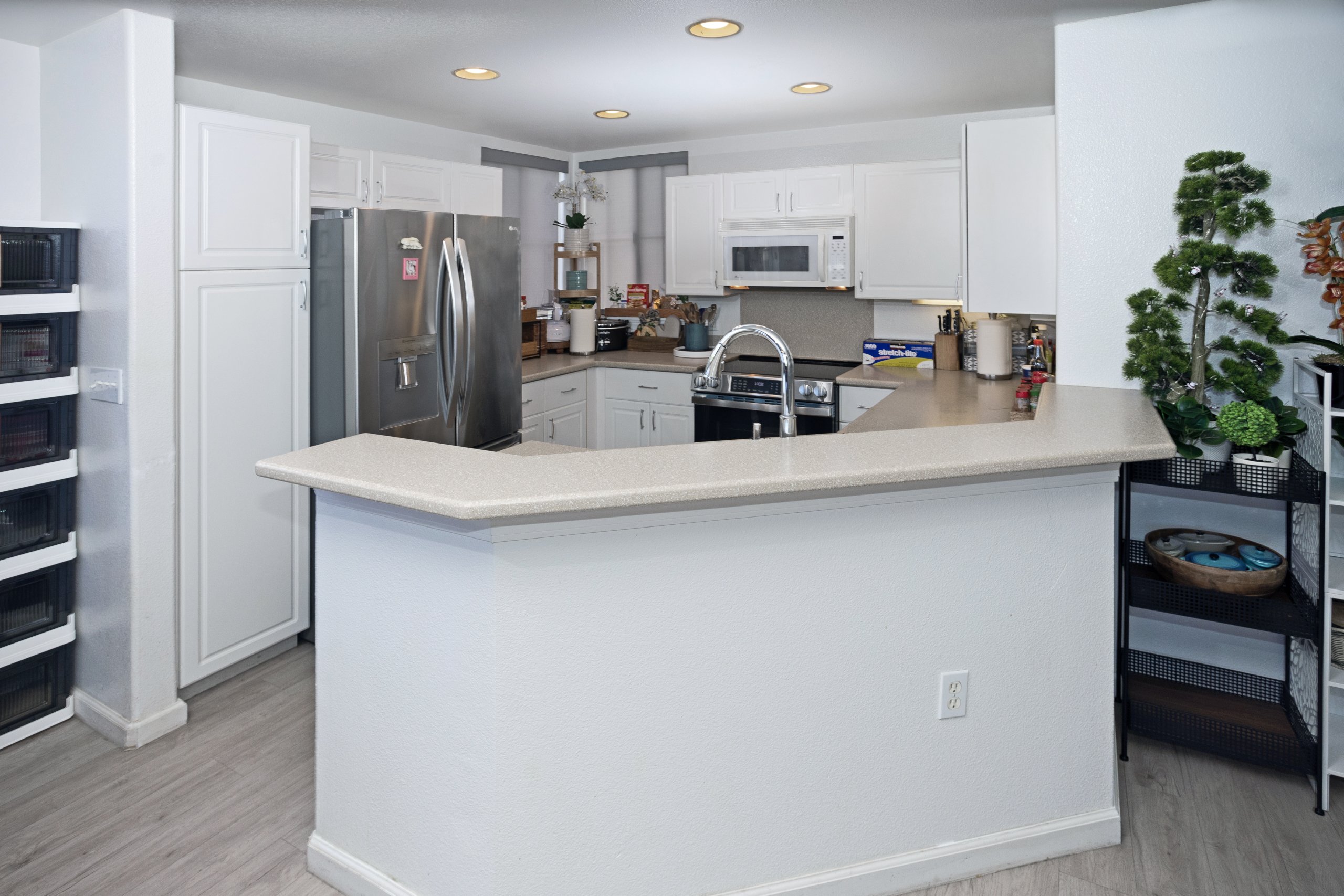
Offered at $925,000, Nanea Kai #5-2 is a fee simple, three-bedroom, two-and-a-half-bath townhome-style condominium with approximately 1,466 square feet of interior living space in Hawaiʻi Kai’s West Marina neighborhood.
The listing includes central air conditioning, a one-car garage of approximately 201 square feet, an additional open parking stall, and a multi-level floor plan.
For a prospective rental owner, I would evaluate how the space, parking, and layout compare with other properties competing for tenants. A three-bedroom floor plan offers options for occupants who need separate sleeping areas or a home office. A garage may be useful to someone who places a high priority on covered parking.
Those are potential advantages to investigate through rental comparisons. They do not establish a rental rate or guarantee occupancy.
View Nanea Kai #5-2 and its photographs on Hawaiʻi Life.
Compare the Ownership Costs Carefully
An exchange into a different property type deserves a fresh budget. I would compare your current investment and the proposed purchase using the same assumptions.
| Area to compare | What I would examine |
|---|---|
| Rental income | Current rental comparables, likely lease terms, and a realistic vacancy allowance |
| Ongoing expenses | Association fees, property taxes, insurance, utilities, management, and applicable rental taxes |
| Repairs and future work | Inspection findings, replacement needs, owner responsibilities, association reserves, and planned projects |
| Financing | Loan terms, cash requirements, monthly debt service, and reserves remaining after closing |
| Oversight | Who handles leasing, inspections, maintenance approvals, and emergencies |
| Future resale | How the property’s condition, ownership costs, and restrictions might affect the next buyer |
A condominium’s association fee deserves particular attention. Review what it covers, what remains the owner’s responsibility, and whether the association’s financial position supports its plans.
I would also want to understand insurance coverage and deductibles, any assessments, and the rental restrictions before recommending a purchase.
The goal is to evaluate the whole ownership experience rather than make a decision from the asking price alone.
Plan for Ownership From a Distance
If you will continue living on the mainland, build the local management plan before closing.
Who will meet contractors? How will routine inspections be handled? Who will respond when an appliance fails? How much can a manager authorize for repairs without contacting you?
These are practical questions that affect your experience as an owner.
I would also confirm permitted rental terms before using any income projection. A property’s appeal for vacations does not establish that vacation rental use is allowed. Your rental plan needs to fit both applicable law and the association’s governing documents.
Understand What Happens to the Deferred Gain
A 1031 exchange generally carries deferred gain forward through the replacement property’s tax basis. The purchase price alone does not establish a completely new tax basis. Additional funds, recognized gain, debt, and other adjustments can affect the calculation.
Ask your CPA to explain what your basis and depreciation calculations would look like after the exchange. That discussion can make the projected after-tax results much clearer.
State reporting also deserves attention. For example, California generally requires Form FTB 3840 when California property is exchanged for property outside the state and California-source gain or loss is deferred. Reporting generally continues annually until that deferred gain or loss is recognized, even if the owner otherwise has no California return filing requirement.
If your existing investment is in California, include that question in your planning. For any mainland property, ask your advisor to review the requirements of both the departure state and Hawaiʻi.
Discuss Any Future Personal Use at the Beginning
Some owners hope an Oʻahu investment could eventually become a place to live.
That long-term goal needs careful tax planning. A purchase intended for immediate personal occupancy generally does not meet the replacement investment-property requirement. IRS guidance provides a dwelling-unit safe harbor with ownership, rental, and personal-use conditions; a brief rental period does not automatically establish a qualifying exchange.
Tell your advisor how you actually expect to use the property. Your tax planning should reflect your intentions.
Begin While You Still Have Time to Compare
For a typical delayed exchange, engage the qualified intermediary and arrange the exchange before your mainland sale closes. Taking receipt or control of the proceeds can prevent the transaction from qualifying.
Starting early also gives us time to compare neighborhoods, review properties, and obtain financing information before the exchange deadlines arrive.
If you are considering moving investment equity from the US mainland to Oʻahu, I would be happy to help you evaluate Nanea Kai #5-2 and other properties that fit your goals.
Let’s begin with what you own now, what you want to change, and what you want your next investment to do for you.
Jon S. Mann
REALTOR® Broker, Broker-In-Charge
Hawaiʻi Life Real Estate Brokers
Phone: (808) 728-1230
Email: jon.mann@hawaiilife.com
Listing information checked November 2, 2026. Price and availability may change. This article provides general information, not tax or legal advice. Consult your CPA, attorney, and qualified intermediary about your circumstances.

Leave your opinion here. Please be nice. Your Email address will be kept private, this form is secure and we never spam you.