Oceanfront, Upcountry or Resort? Choosing Where to Buy on Hawaiʻi Island
Buying on Hawaiʻi Island often begins with a location question, but the more useful question is what kind of ownership experience you want.
An oceanfront home puts the coastline at the center of daily life but brings additional exposure, maintenance, and shoreline considerations. An upcountry property can offer cooler temperatures, more land, and greater privacy, but may require more driving and property upkeep. A resort residence provides amenities and a more managed ownership experience, though HOA dues, membership costs, and rental rules can materially change the economics. These are not simply different neighborhoods. They are three very different ways to own property on Hawaiʻi Island.
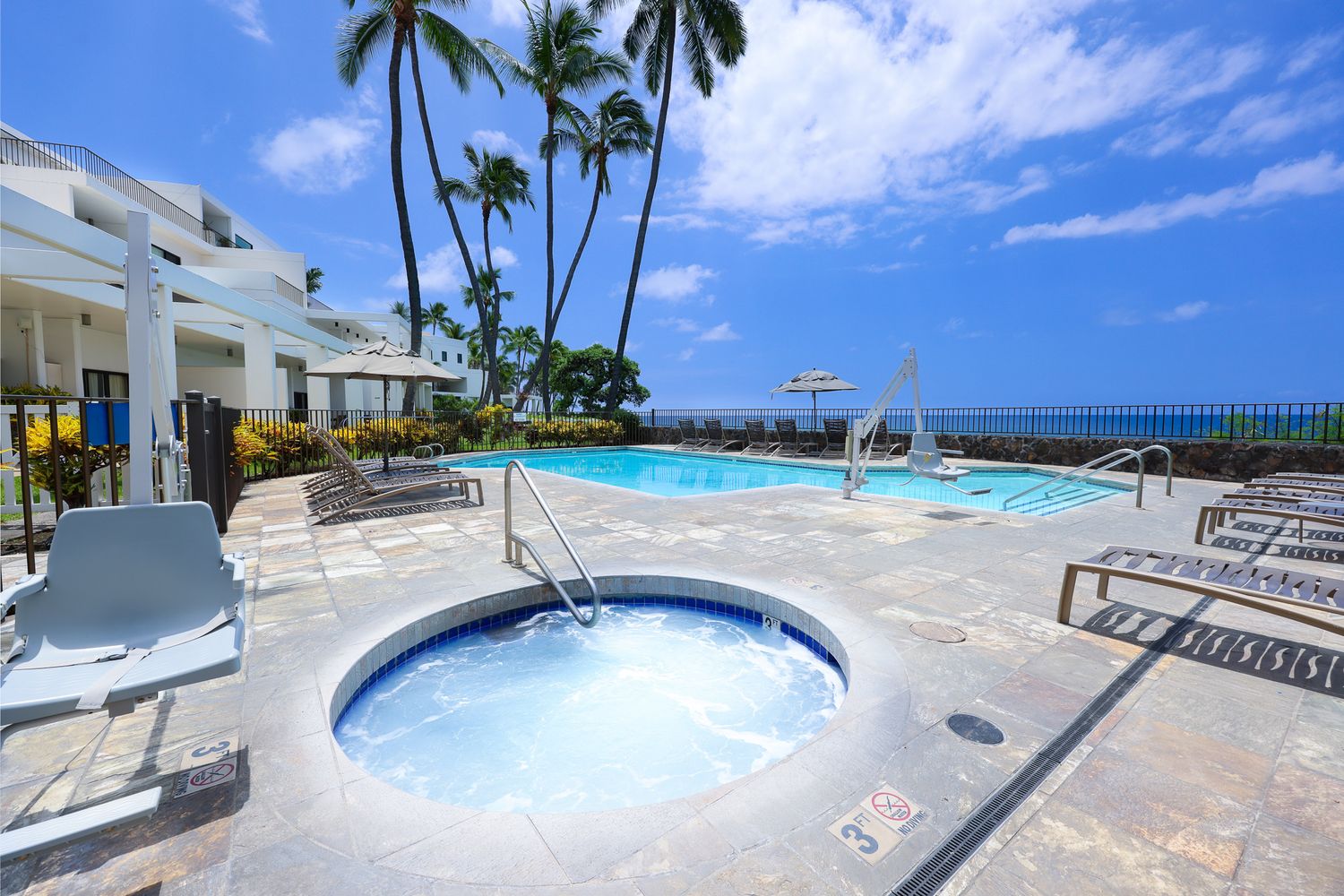
Oceanfront: Scarcity Comes With More Due Diligence
The appeal of oceanfront property is straightforward. Views are difficult to reproduce, supply is naturally limited, and direct proximity to the water can create a lifestyle that inland property cannot. But “oceanfront” on Hawaiʻi Island can mean very different things.
A home may sit beside a sandy beach, rugged lava shoreline, elevated bluff, or rocky coast. That affects access, privacy, exposure, and how the land can be used. Hawaiʻi’s shoreline is also subject to public-access rights, and buyers should not assume that owning land beside the ocean creates a private shoreline.
The physical condition of the site deserves as much attention as the house itself.
Salt air can accelerate corrosion of metal, mechanical systems, windows, exterior fixtures, and vehicles. Wind and direct sun increase wear on finishes, while shoreline conditions may influence future repairs or improvements.
For coastal property, buyers should also investigate shoreline setbacks, erosion history, flood exposure, sea-level-rise information, insurance, and whether future construction plans are realistic. Hawaiʻi requires disclosure when residential property falls within a mapped sea-level-rise exposure area.
That does not make oceanfront property a poor long-term choice. Its scarcity remains a major part of its appeal. But buyers should value the property based on both the view and the resilience of the site.
Upcountry Living Changes the Climate as Well as the Property
Move inland and uphill, and Hawaiʻi Island can feel remarkably different.
Waimea is perhaps the clearest example. At roughly 2,600 feet in elevation, its cooler temperatures, pastureland, ranch history, and established town center create a very different environment from the Kohala Coast only a relatively short drive away.
Other elevated areas, including parts of the Kona coffee belt, can offer similar trade-offs between coastal access and cooler upland living.
Elevation may mean lower temperatures, greater rainfall in some areas, stronger winds, and a landscape better suited to gardening, agriculture, or larger parcels. It can also change the type of home buyers encounter. Fireplaces, substantial covered outdoor areas, acreage, agricultural structures, and fenced land are more common considerations than they are in a beachfront condo.
The attraction is often space.
An upcountry buyer may be able to prioritize a larger lot, privacy, views, or agricultural potential rather than direct ocean access. But acreage comes with its own operating costs. Fencing, landscaping, invasive plant control, drainage, driveway maintenance, pasture management, and outbuildings can all require ongoing attention.
Buyers should also investigate zoning before assigning value to future plans. A large parcel does not automatically mean it can be subdivided, used for any agricultural activity, or developed with multiple residences.
For a closer look at this side of the island, our guide to living in Waimea explains how elevation, ranching, climate, and access to the Kohala Coast shape its real estate market.
Resort Living Is Really a Services-and-Amenities Decision
The Kohala Coast provides a third model entirely.
Communities associated with Mauna Kea, Mauna Lani, Hualālai, Waikoloa Beach Resort, and other resort areas offer an ownership experience built around amenities, landscaping, golf, beach access, security, restaurants, and professional property management.
For second-home buyers, that can solve several practical problems.
A condominium or managed resort residence may require less direct oversight when the owner is away. Landscaping, roads, pools, common areas, and exterior maintenance may be handled through an association rather than individually.
But those services have a cost.
HOA dues vary substantially among communities, and some properties also involve separate club or amenity memberships. Even within the same resort, two residences with similar asking prices can produce very different annual ownership costs depending on association fees, insurance, membership structure, and maintenance responsibility.
That makes the resort name only the beginning of the comparison.
Buyers should understand exactly which amenities are included, which require separate membership, whether memberships transfer, what the association is responsible for, and whether significant capital projects or assessments are approaching.
The current market also reinforces why project-level research matters. Hawaiʻi Island inventory increased during Q2 2026, while luxury resort demand on the Kohala Coast remained strong. Properties above $3 million recorded a median sale price of roughly $8.75 million across the island’s luxury segment, with Mauna Kea, Hualālai, and Kohanaiki continuing to attract high-end buyers.
At the same time, conditions are not identical across every resort. Waikoloa Beach Resort, for example, has recently seen more condo inventory, rising HOA costs, and greater negotiating opportunities in some communities. “Resort market” is therefore no more uniform than “oceanfront.”
Think Carefully About Rental Plans
A second home and an income-producing property should not automatically be evaluated the same way.
Resort condos may seem particularly well suited to vacation rentals, but buyers should confirm what the specific property legally permits before relying on rental income.
Hawaiʻi County regulates transient vacation rentals, including where they may operate, and association rules can be more restrictive than County regulations. As of September 2026, the County also requires registration of transient vacation rentals rented for fewer than 180 consecutive days, including hosted and unhosted accommodations.
That makes rental due diligence property-specific.
A buyer should understand legal eligibility, association restrictions, management costs, taxes, insurance, realistic occupancy, and the amount of personal use desired before deciding what rental income is worth.
For an owner primarily seeking a personal retreat, the property that produces the highest theoretical rental return may not be the one that provides the best ownership experience.
Climate Can Change Within a Short Drive
Hawaiʻi Island’s size and elevation create another important consideration: the climate attached to the address.
A coastal property may be warm, sunny, and exposed to salt air. Drive upslope and temperatures can become noticeably cooler. Continue toward Waimea and the landscape changes again.
That variation affects more than personal preference.
Cooling costs, landscaping, corrosion, rainfall, drainage, wind, roof wear, and even which outdoor spaces are comfortable can differ significantly depending on elevation and exposure.
Buyers moving from the mainland should therefore avoid choosing a property based only on a few vacation days spent nearby.
Spend time at the property in the morning and afternoon. Drive the route into town. Notice the wind. Look at sun exposure and shade. If you are buying acreage, walk the usable land rather than relying only on the stated lot size.
These small observations often reveal more about everyday ownership than the listing photographs.
Insurance Should Be Part of the Search, Not an Afterthought
The three property types can also carry very different insurance profiles.
An oceanfront home may raise coastal, flood, and wind considerations. A resort condo depends partly on the quality and cost of the association’s master policy. Elsewhere on Hawaiʻi Island, lava-flow hazard zones can influence insurance availability and cost.
The U.S. Geological Survey divides Hawaiʻi Island into nine lava-flow hazard zones, with Zone 1 representing the highest hazard. Buyers should understand the individual parcel’s risk profile rather than assuming an entire district is the same.
Obtaining preliminary insurance information early can prevent a buyer from reaching the end of escrow only to discover that the property is significantly more expensive to insure than expected.
Which Type of Hawaiʻi Island Property Fits You?
The decision usually becomes clearer when buyers stop asking which location is “best” and start thinking about how they will actually use the home. Oceanfront may make sense if immediate connection to the water is the priority and you are comfortable with greater coastal maintenance and property-specific hazard research.
Upcountry living may fit buyers who value cooler temperatures, privacy, land, and a more residential or rural environment over immediate beach access.
A resort property may work particularly well for buyers seeking amenities, managed surroundings, security, and an easier second-home ownership structure. The right answer can also change with time. A buyer planning to spend three months a year on the island may make a very different choice from someone relocating permanently.
On Hawaiʻi Island, lifestyle and real estate are unusually difficult to separate. The ocean, elevation, climate, land, and community surrounding the home shape the ownership experience almost as much as the home itself.
The strongest purchase is therefore not simply the property with the best view or longest amenity list. It is the one whose location, responsibilities, and carrying costs still make sense after you understand what living there will actually require.
Frequently Asked Questions
Is oceanfront property more expensive to maintain on Hawaiʻi Island?
It can be. Salt, wind, sun, corrosion, shoreline exposure, insurance, and coastal conditions can create maintenance expenses that inland properties may not face to the same extent.
What does “upcountry” mean on Hawaiʻi Island?
It generally refers to elevated inland communities rather than low-elevation coastal areas. Waimea is one of the island’s best-known upcountry markets, with cooler temperatures, ranch land, acreage, and established residential neighborhoods.
Are Hawaiʻi Island resort properties good vacation rentals?
Some can be, but rental eligibility varies by zoning, property, and association. Buyers should verify legal use and operating costs before including rental income in their purchase decision.
Do all resort properties include the same amenities?
No. Amenities, memberships, fees, and owner privileges differ substantially between resorts and even between communities within the same resort.

Leave your opinion here. Please be nice. Your Email address will be kept private, this form is secure and we never spam you.