Searching for property in Hawaiʻi can create the impression that buyers are choosing from one statewide real estate market. Set a price range, compare homes on different islands, look at the photos, and decide which property offers the most for the money.
In practice, Hawaiʻi does not work that way.
Oʻahu, Maui, Kauaʻi, and Hawaiʻi Island have different housing inventories, lifestyles, infrastructure, climates, ownership considerations, and local market conditions. Even neighborhoods on the same island can differ considerably.
For serious buyers, island-specific guidance is therefore not simply helpful for finding listings. It provides the context needed to understand what a property will actually be like to own.
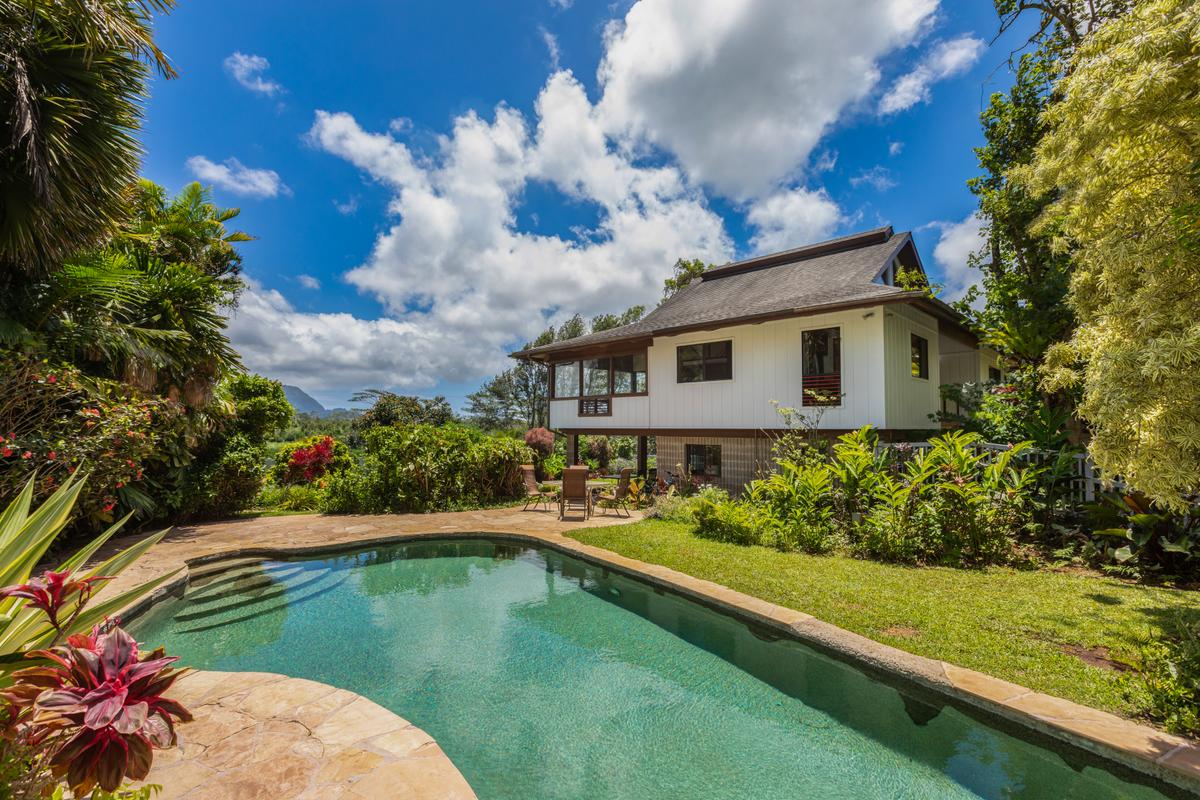
Hawaii Is Not One Real Estate Market
A $1 million property does not represent the same buying opportunity everywhere in Hawaiʻi.
A buyer exploring Oʻahu real estate may encounter a large condominium market alongside single-family homes, with decisions often influenced by commute times, parking, association finances, proximity to Honolulu, schools, and access to major services.
A buyer looking at Big Island real estate may find more land or living space within the same budget but may also need to consider longer driving distances, lava zones, catchment water, septic or cesspool systems, private roads, and access to services.
Neither represents better value automatically.
The important question is whether the property and location fit the buyer’s intended lifestyle, budget, and tolerance for maintenance.
That is difficult to determine from statewide price comparisons alone.
Island-Specific Knowledge Helps Buyers Understand the Price
When buyers see similar properties listed at very different prices, they naturally ask why.
Sometimes the answer is obvious: square footage, condition, view, or lot size. Other differences require deeper local knowledge.
Price can reflect:
- neighborhood demand;
- proximity to employment and services;
- climate and elevation;
- ocean access or views;
- property condition;
- HOA costs;
- insurance considerations;
- rental restrictions;
- infrastructure; and
- scarcity of similar properties.
A knowledgeable island-based agent can explain why buyers consistently pay premiums for certain locations while other seemingly attractive homes remain available longer.
Without that context, a buyer may mistake a lower price for better value or assume a more expensive property is simply overpriced.
Climate Can Change the Ownership Experience
Hawaiʻi’s climate varies far more than many mainland buyers initially expect.
The National Weather Service data cited by Hawaii Life shows how dramatically rainfall can vary across the islands because of mountains, elevation, and trade winds. Some locations receive many times the rainfall of others.
That difference affects much more than whether you need an umbrella.
As explained in Hawaii Life’s guide to how Hawaii’s climate shapes home design and daily living, location can influence ventilation, moisture management, landscaping, corrosion, drainage, energy use, and routine maintenance.
A home near Hilo may require a different maintenance approach from a property along the Kona Coast. Likewise, wetter windward communities on Oʻahu can feel very different from hotter, drier leeward areas.
Island-specific guidance helps buyers evaluate a home in the environment where it actually stands rather than treating “Hawaii weather” as one condition.
Infrastructure Questions Change From One Area to Another
A mainland buyer may assume most residential properties have similar access to municipal water, sewer systems, paved public roads, power, and nearby services.
That assumption does not work everywhere in Hawaiʻi.
Depending on the island and community, buyers may encounter:
- rainwater catchment;
- septic systems or cesspools;
- private roads;
- shared access agreements;
- propane;
- solar systems;
- limited internet options; or
- substantial distances from major services.
These are not necessarily disadvantages. Many buyers intentionally choose rural properties because they value privacy, land, and a quieter environment.
What matters is understanding the practical implications before purchasing.
A property offering considerably more acreage for the price may also require more driving, landscaping, infrastructure management, and maintenance. Local knowledge helps buyers calculate that trade-off realistically.
Condo Buyers Need Building-Specific Guidance Too
Island-specific expertise becomes particularly useful when buying a condominium.
The condo itself may look excellent, but its long-term ownership cost is influenced by the association behind it.
Buyers should investigate maintenance fees, reserve funding, master insurance, planned building work, assessments, rental restrictions, and association rules.
These issues can also vary between markets.
A buyer concentrating on urban Oʻahu condos may face a different set of building and association questions than someone considering a resort-area condo on another island.
Serious buyers therefore need to compare more than granite countertops and ocean views. They need someone who understands the buildings, developments, and association concerns common to that particular market.
Local Guidance Helps Buyers Evaluate Everyday Life
A property search is ultimately a lifestyle search.
A map may show that a home is 12 miles from the airport or 8 miles from a hospital, but those distances do not explain traffic, road conditions, parking, or how convenient the trip feels in daily life.
Island-specific agents can add context around:
- realistic commute times;
- grocery and healthcare access;
- school locations;
- airport travel;
- recreation;
- neighborhood atmosphere;
- seasonal conditions; and
- how much driving everyday life requires.
This is particularly important for remote buyers who may only have experienced Hawaiʻi while vacationing.
A community that works beautifully for a one-week visit may feel very different when grocery shopping, medical appointments, work, school, and household maintenance become part of the routine.
Local Market Knowledge Matters When Making an Offer
Once a buyer finds the right property, island-specific expertise becomes important again.
Comparable sales should come from the most relevant local market. Buyers also need context about current inventory, competition, days on market, property condition, and how particular features affect value within that community.
Hawaii Life’s discussion of how local guidance helps buyers make better Hawaii real estate decisions emphasizes this point: Hawaiʻi real estate becomes increasingly local as buyers move from island to neighborhood to individual property.
That context can help buyers avoid two opposite mistakes—overpaying because they become emotionally attached or losing a suitable property because they compare it with an unrelated mainland market.
Serious Buyers Need More Than Access to Listings
Online property search has made it possible to explore nearly every corner of Hawaiʻi from anywhere in the world.
That is valuable for discovering options.
But discovering a property and understanding it are different tasks.
Island-specific guidance helps buyers interpret what listing data cannot fully explain: why one location commands a premium, how climate changes maintenance, whether infrastructure fits the buyer’s expectations, what daily life feels like, and which property-specific issues deserve additional investigation.
The more serious the purchase becomes, the more important that context becomes.
Frequently Asked Questions
Why is Hawaii real estate so different between islands?
Each island has different housing supply, geography, infrastructure, climate, demand, and lifestyle characteristics.
Should I choose an island before looking at homes?
Usually, yes. Narrowing your lifestyle and location priorities first makes property comparisons more useful.
Can one Hawaii agent help me compare several islands?
Hawaii Life’s statewide network can connect buyers with market-specific knowledge as their search moves between islands and communities.
Is the cheapest island always the best value?
No. Value should include location, ownership costs, maintenance, infrastructure, access, and how well the property fits your needs.
Choose the Market Before You Choose the View
A beautiful listing can get a buyer’s attention, but it cannot explain everything that comes with owning the home.
Serious buyers need to understand the island, community, climate, infrastructure, and local market surrounding the property.
That is what island-specific real estate guidance adds to the search.
Instead of simply answering “What can I afford in Hawaiʻi?”, it helps buyers answer the much more useful question:
“Where in Hawaiʻi does my budget, lifestyle, and long-term plan fit best?”

Leave your opinion here. Please be nice. Your Email address will be kept private, this form is secure and we never spam you.