Love Where You Live – Reason #22 – The Joy of Seeing a Monk Seal
In my ongoing Love Where You Live blog series, I’ve explored many ways to deepen our connection with the place we call home. Whether it’s appreciating the vibrant local culture, supporting small businesses, or finding hidden gems in our community, each post is a reminder of how lucky we are to live in such a unique and beautiful place. Today, I want to share one of the most special experiences that truly encapsulates the spirit of loving where you live—spotting a Hawaiian monk seal on one of our beaches.
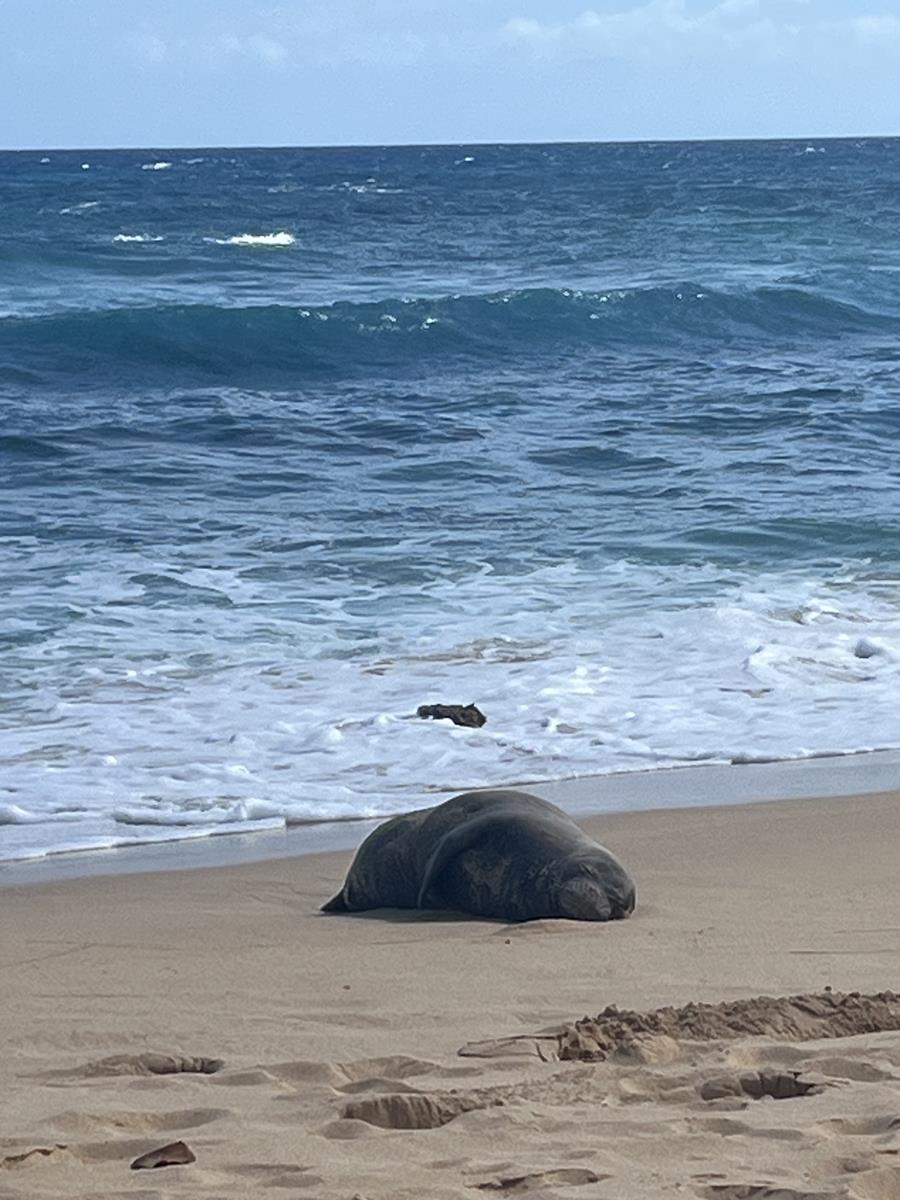
There are few moments more magical on a Hawaiian beach than spotting one of these rare, graceful creatures lounging peacefully on the sand. With their sleek, silvery coats and tranquil presence, Hawaiian monk seals seem almost like guardians of the shoreline, quietly reminding us of the deep, unbreakable connection between Hawaii’s land and its surrounding ocean. For both visitors and locals, seeing one of these endangered seals feels like a rare gift—a reminder of the delicate balance that exists in our natural world.
But with that gift comes an important responsibility. Hawaiian monk seals are one of the most endangered marine mammals on the planet, with fewer than 1,600 individuals remaining in the wild. These seals depend on our beaches not just to rest but to heal, raise their pups, and rejuvenate in the safe seclusion of our shores. When we spot them, we’re not just seeing an animal; we’re witnessing a creature that needs our respect, our understanding, and our care.
So, what does it mean to love where you live in relation to these incredible creatures? It means recognizing that the privilege of living in Hawaii comes with a shared responsibility to protect the unique environment that surrounds us. Hawaiian monk seals rely on quiet beaches to thrive. By giving them the space they need, we play a vital role in their survival and the continued health of our oceans.
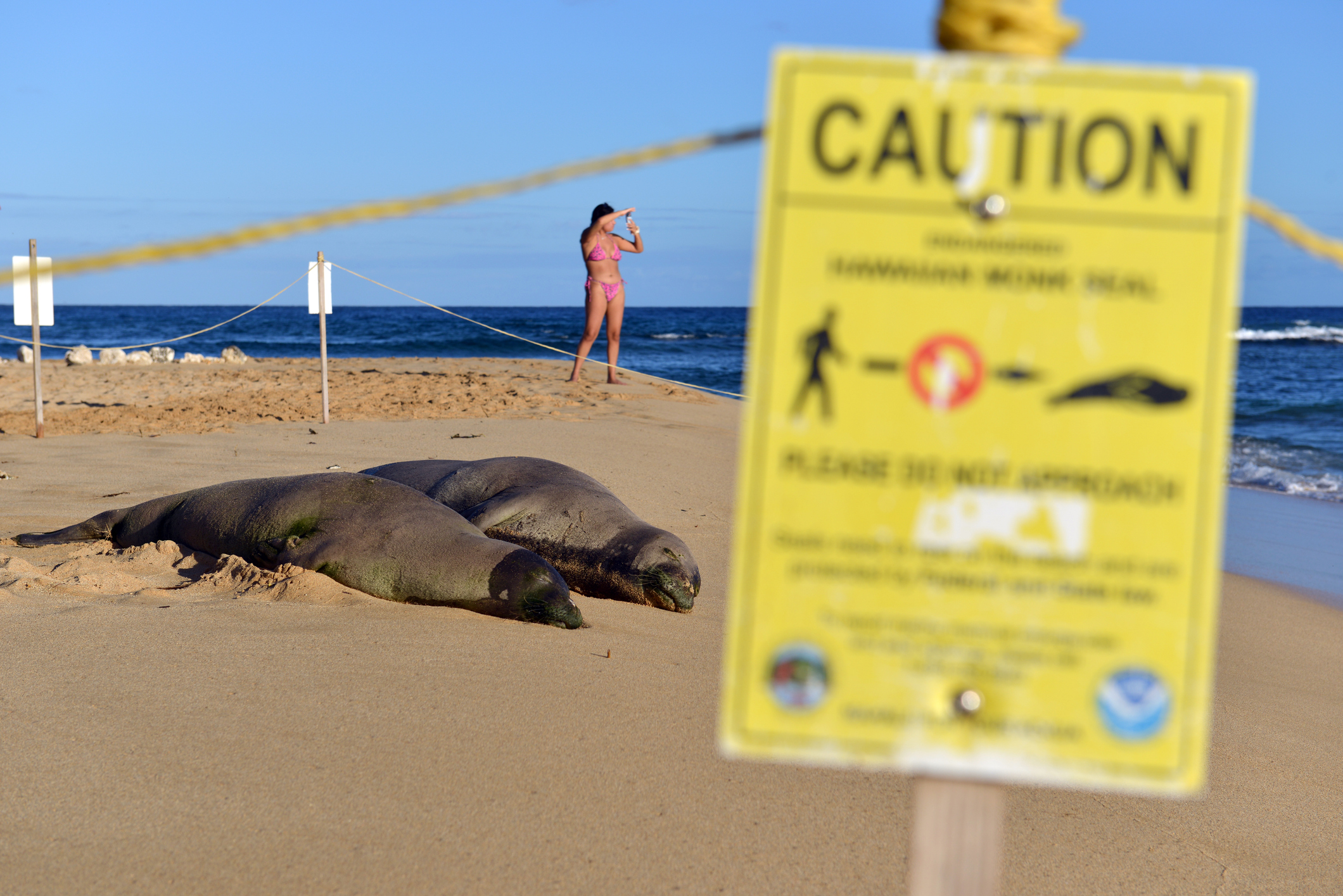
If you’re lucky enough to see a monk seal on the beach, it’s crucial to respect their space. Keep at least 50 feet away—150 feet if the seal is a mother with her pup. Many beaches will post signs or set up ropes to mark safe viewing distances, so be sure to follow those guidelines. They’re not just for your safety; they’re lifelines for the seals. And while it may be tempting to get closer for a better look, never attempt to feed or touch a monk seal, as this can cause them unnecessary stress and alter their natural behavior.
Hawaii’s shores offer some of the best spots to see monk seals in their natural habitat. On Oahu, Sandy Beach’s wide stretch of sand and open spaces make it a prime location for sightings. In Waikiki, Outrigger Canoe Club Beach offers a calmer corner where these seals sometimes rest. On Maui, you can find them basking at the more remote Makena Beach. On the Big Island, Punalu’u Black Sand Beach is another popular spot where these seals often rest under the shade of swaying palm trees.
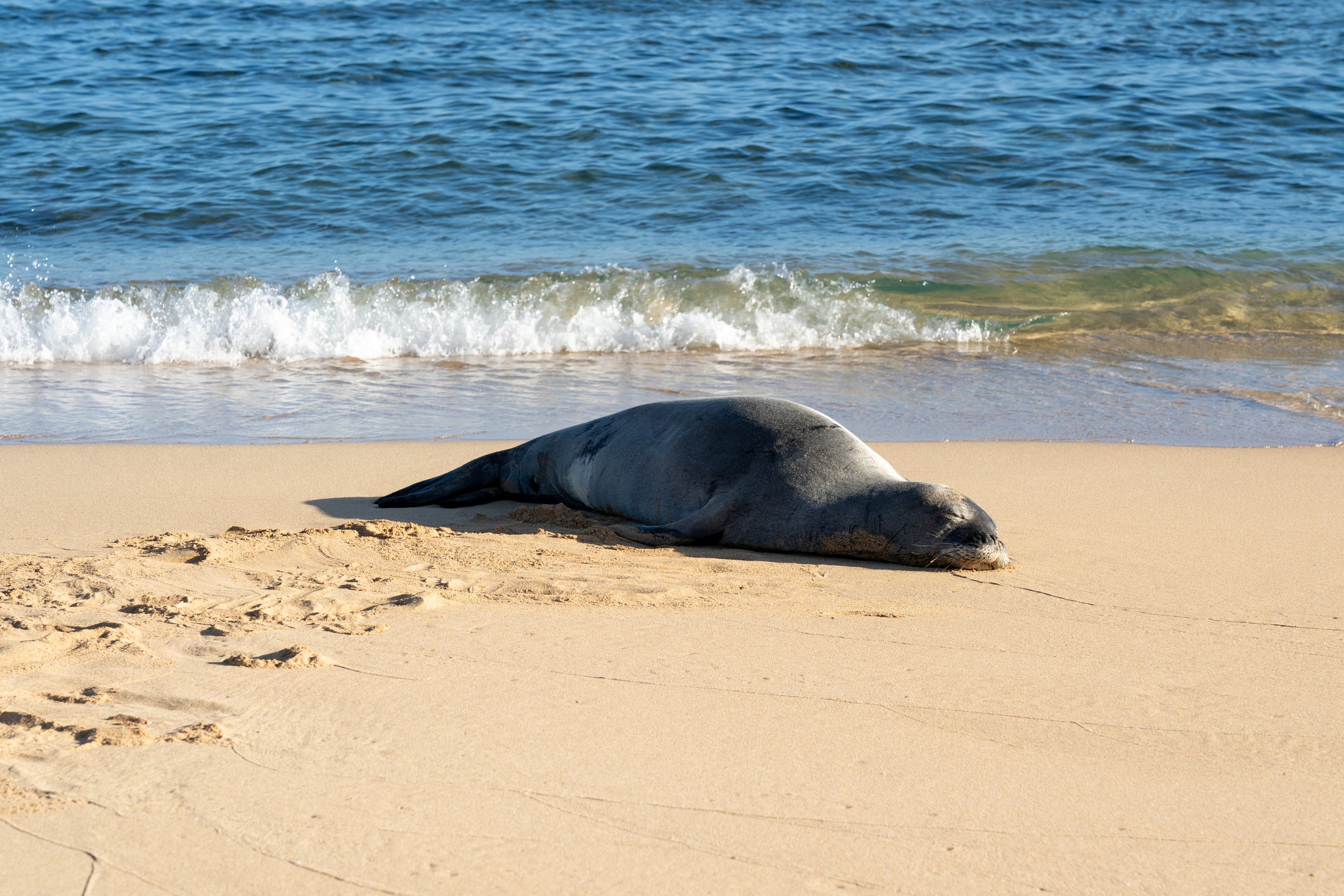
Each monk seal sighting is a reminder of resilience. These seals, like so many elements of Hawaii’s natural world, are fighting to thrive. Their presence on our beaches is a testament to the beauty and strength of our islands, but also to the ongoing effort to preserve what makes this place so special. When we respect the seals and protect their habitat, we’re not just safeguarding a species; we’re protecting a piece of Hawaii’s heart and soul.
So, as we continue to explore ways to love where you live, let’s remember that every small action we take—whether it’s respecting wildlife, supporting conservation efforts, or simply appreciating the beauty around us—adds up. Each time we see a monk seal, we’re not just witnessing an animal; we’re witnessing a larger story of connection, respect, and love for the islands that give us so much.

Leave your opinion here. Please be nice. Your Email address will be kept private, this form is secure and we never spam you.